
Real estate development is a complex journey that requires careful planning, legal compliance, skilled construction, and attention to detail at every step. In India, this process is governed by strict regulations like RERA to ensure transparency, quality, and timely delivery. For buyers, understanding these stages helps track progress, spot red flags, and make informed decisions.
Udbhav Chinmaya — a premium low-density residential project in Kadri, serves as a perfect real-world example. Launched with Bhoomi Pooja in October 15th 2025, it is RERA registered (PRM/KA/RERA/1257/334/PR/311225/008371) and on track for December 2027 possession. Let’s break down the five key stages using Chinmaya’s ongoing development.
Table of Contents
Stage 1: Concept & Planning
The development process begins with conceptualization — where the builder envisions the project based on market needs, buyer trends, and site potential. This includes feasibility studies, demographic analysis, and architectural design.
For Udbhav Chinmaya, the concept focused on exclusivity and family living: only 40 3 & 4 BHK apartments on 64 cents in serene Chandrika Layout, Kadri. The team conducted market research to identify demand for Vaastu-compliant layouts, spacious homes (up to 2,800 sq ft), and premium features like large balconies, modern kitchens, and sustainable elements. Architects created initial blueprints, incorporating green views, natural ventilation, and amenities like a clubhouse, gym, yoga room, and terrace hall.
This stage also involves land acquisition checks — verifying title, zoning, and environmental viability. In Mangaluru, CRZ clearance is crucial for coastal proximity; Chinmaya cleared this early, ensuring no future delays.
Stage 2: Approvals & Pre-Construction
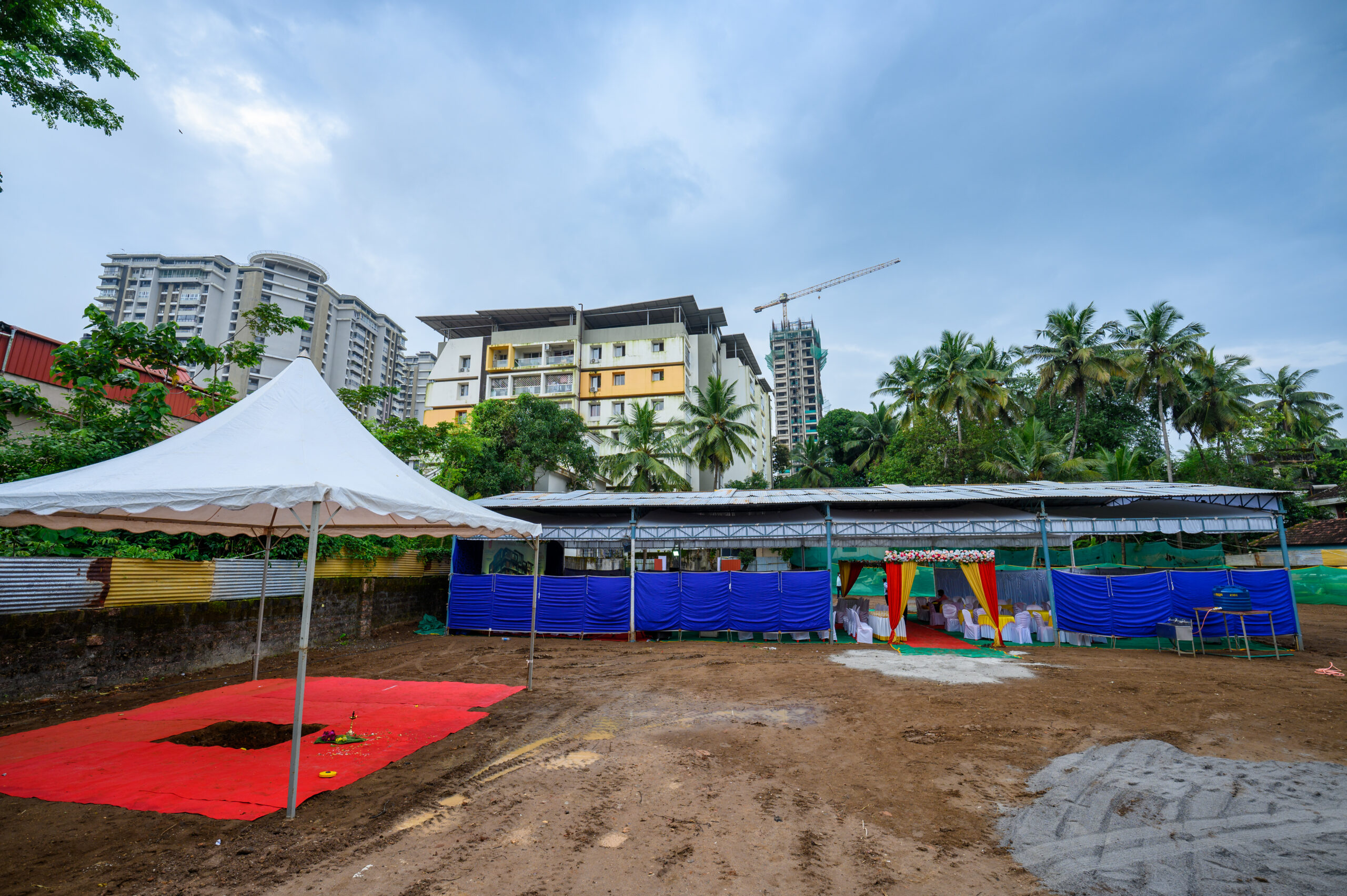
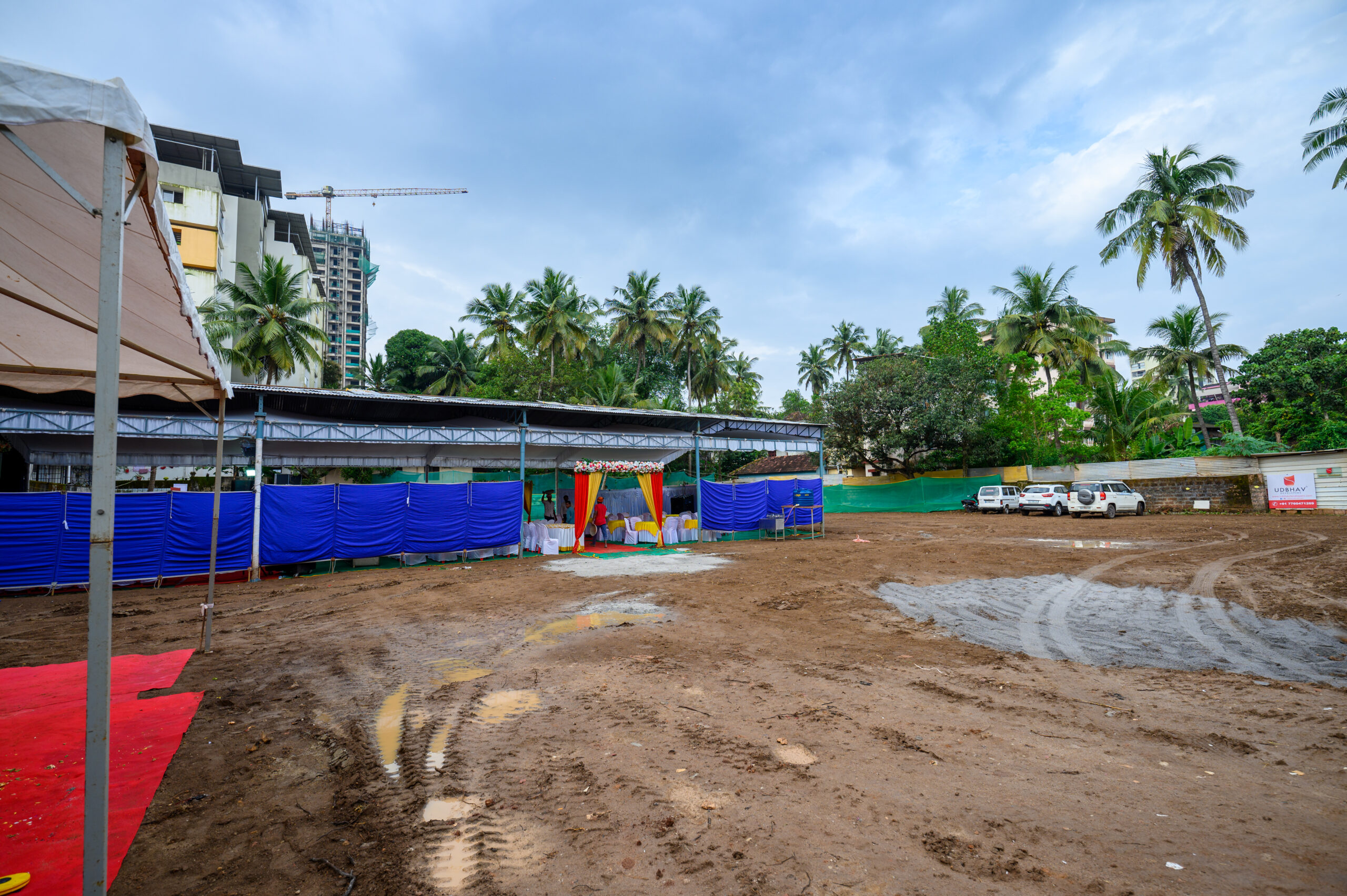
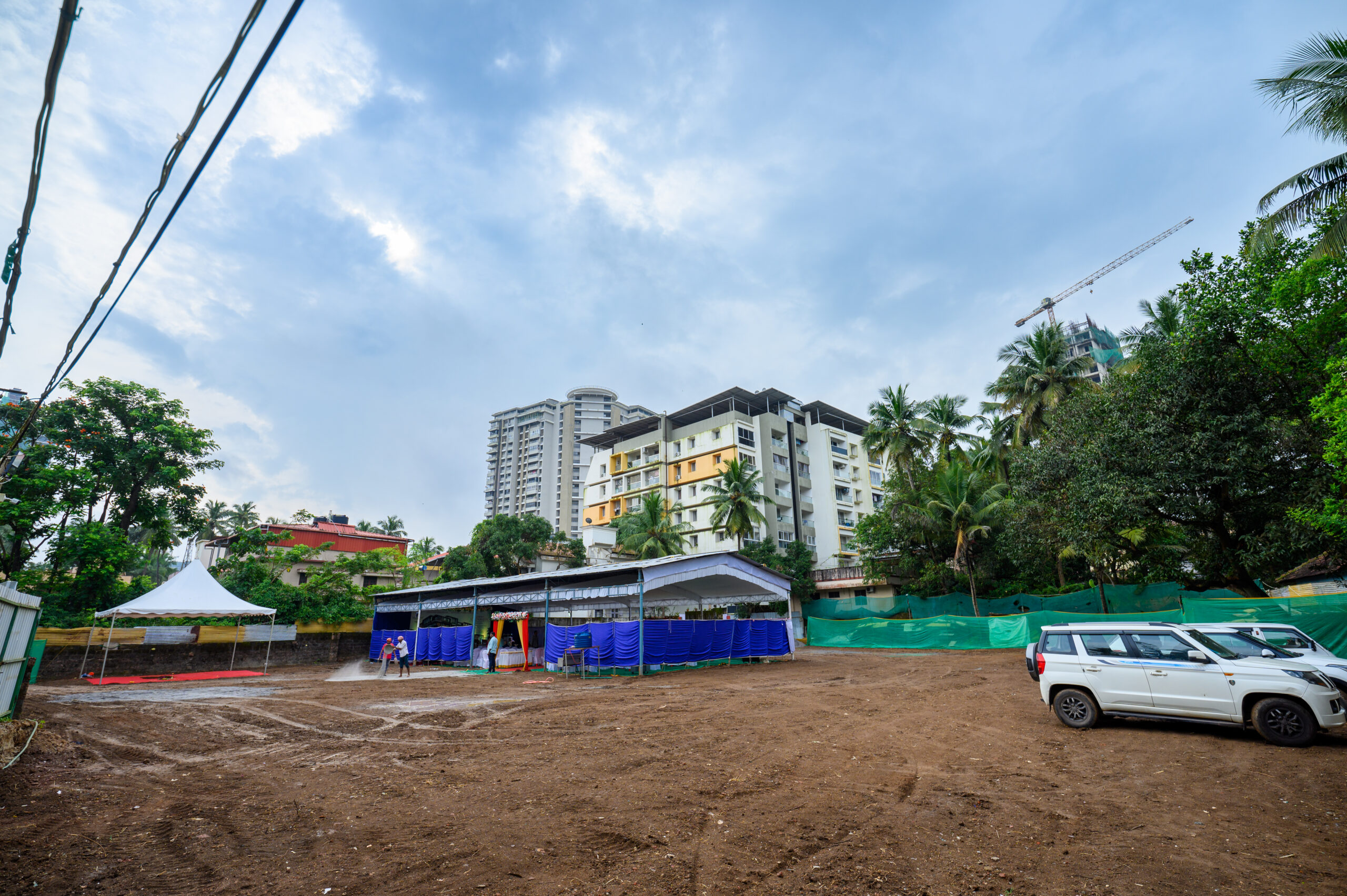
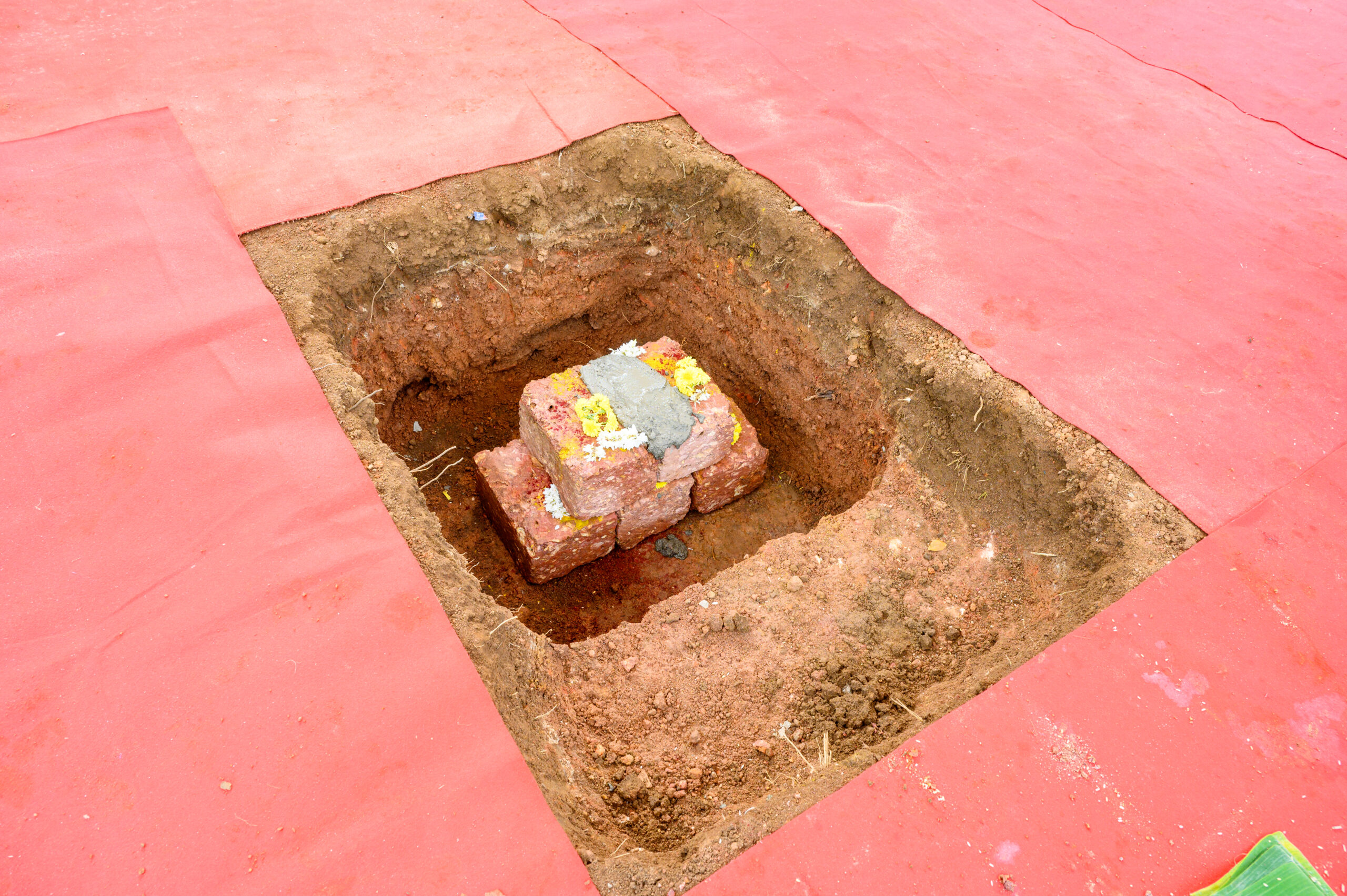
Once the concept is solid, the focus shifts to securing legal approvals. This is a critical, time-consuming phase where RERA plays a major role.
For Chinmaya, the builder submitted detailed plans to Karnataka RERA for registration, including layout drawings, timelines, amenities list, and financial projections. The certificate (PRM/KA/RERA/1257/334/PR/311225/008371) was issued, making all details public on the RERA portal for buyer verification. MUDA/MCC approvals for building plans, DC conversion (if needed), fire NOC, environmental clearance, and other permits followed.
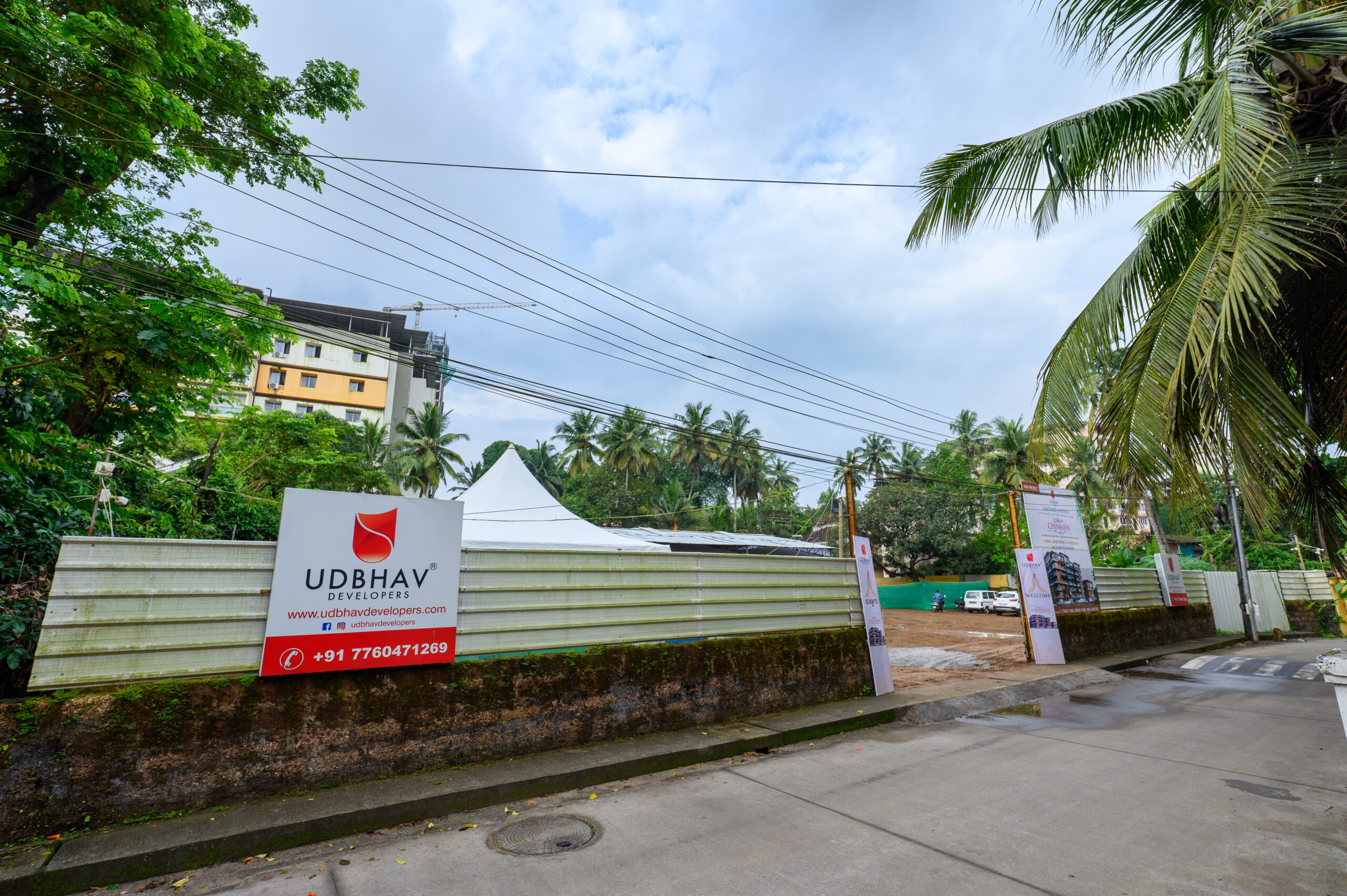
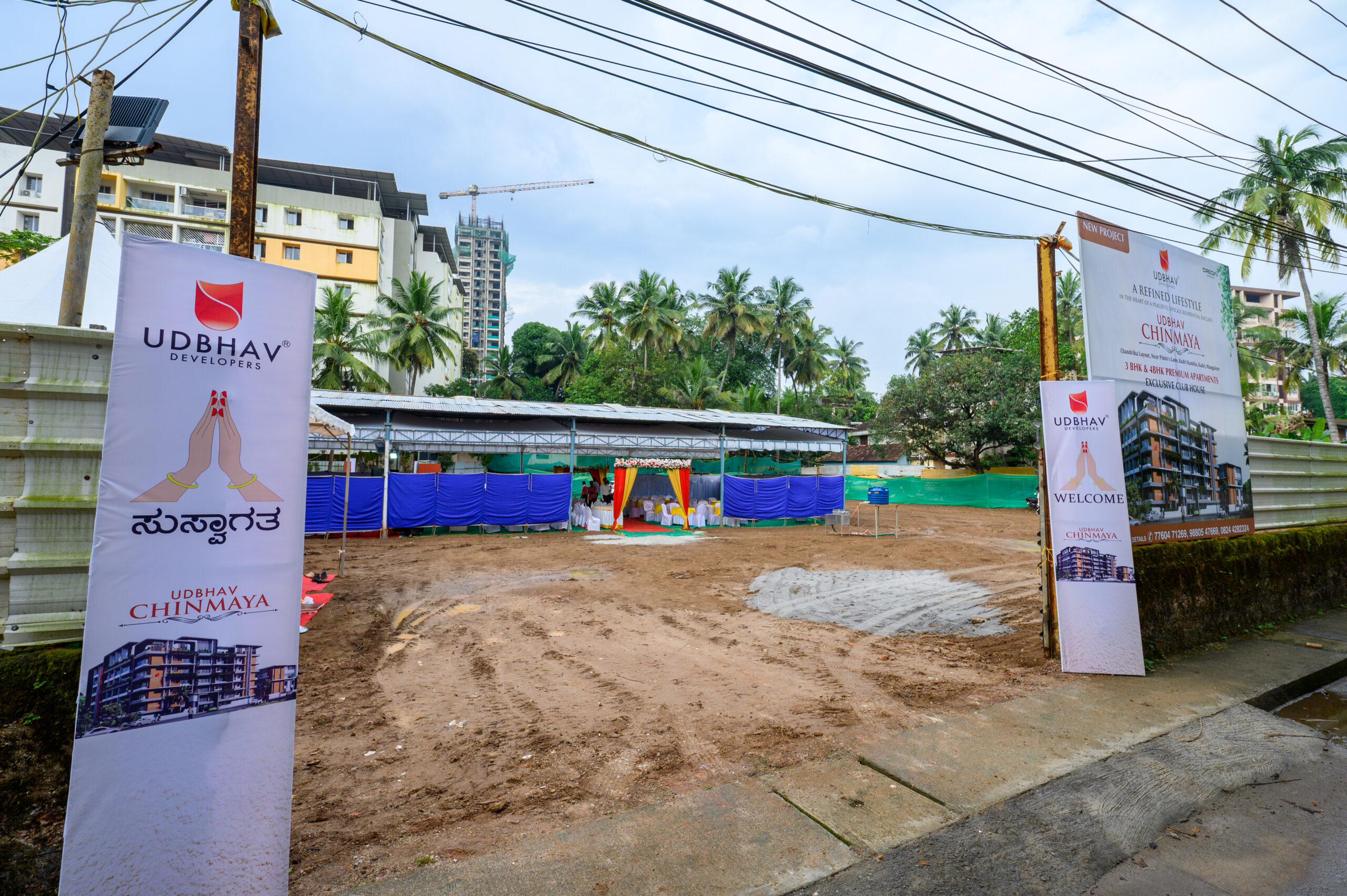
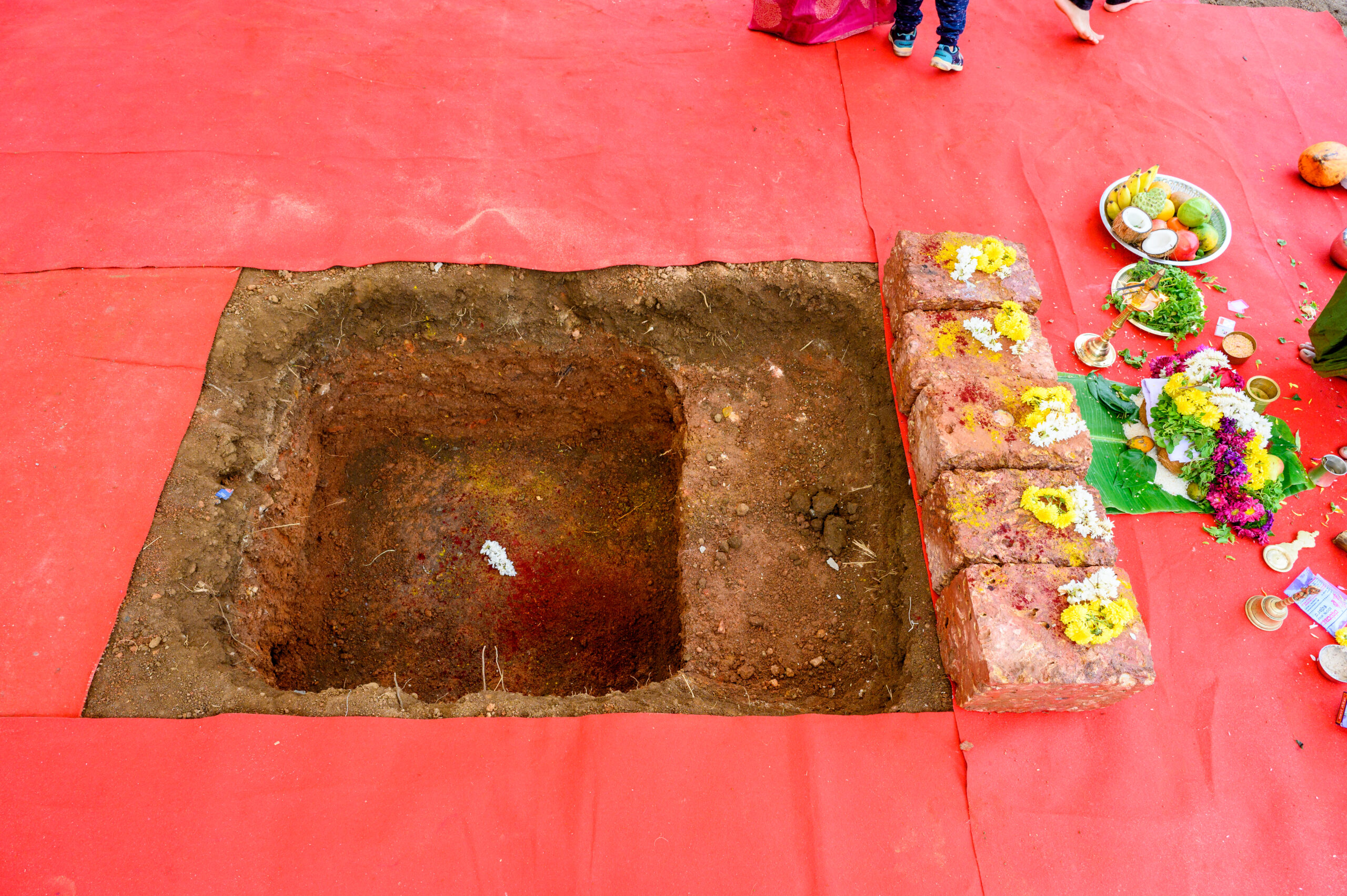
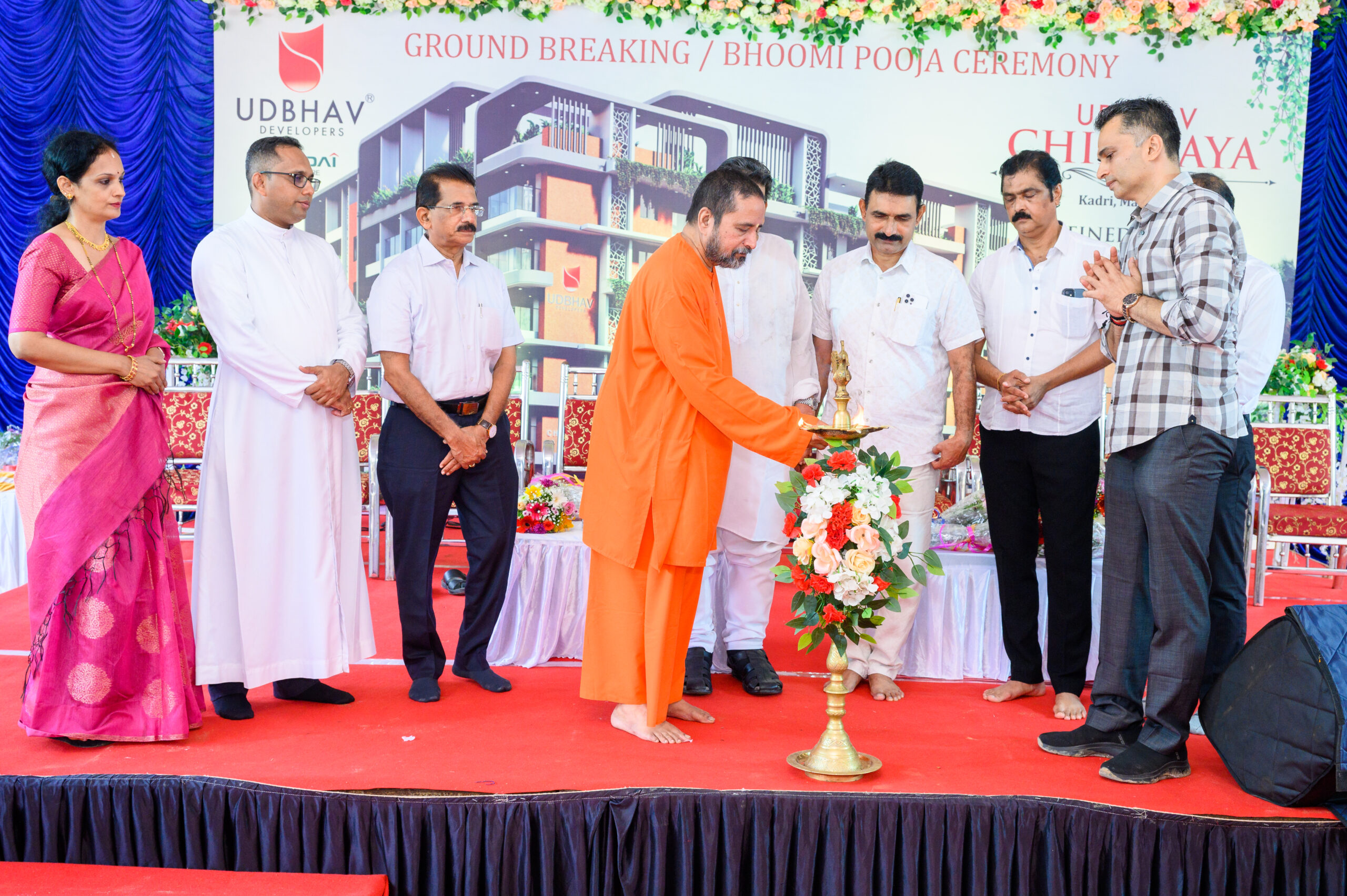
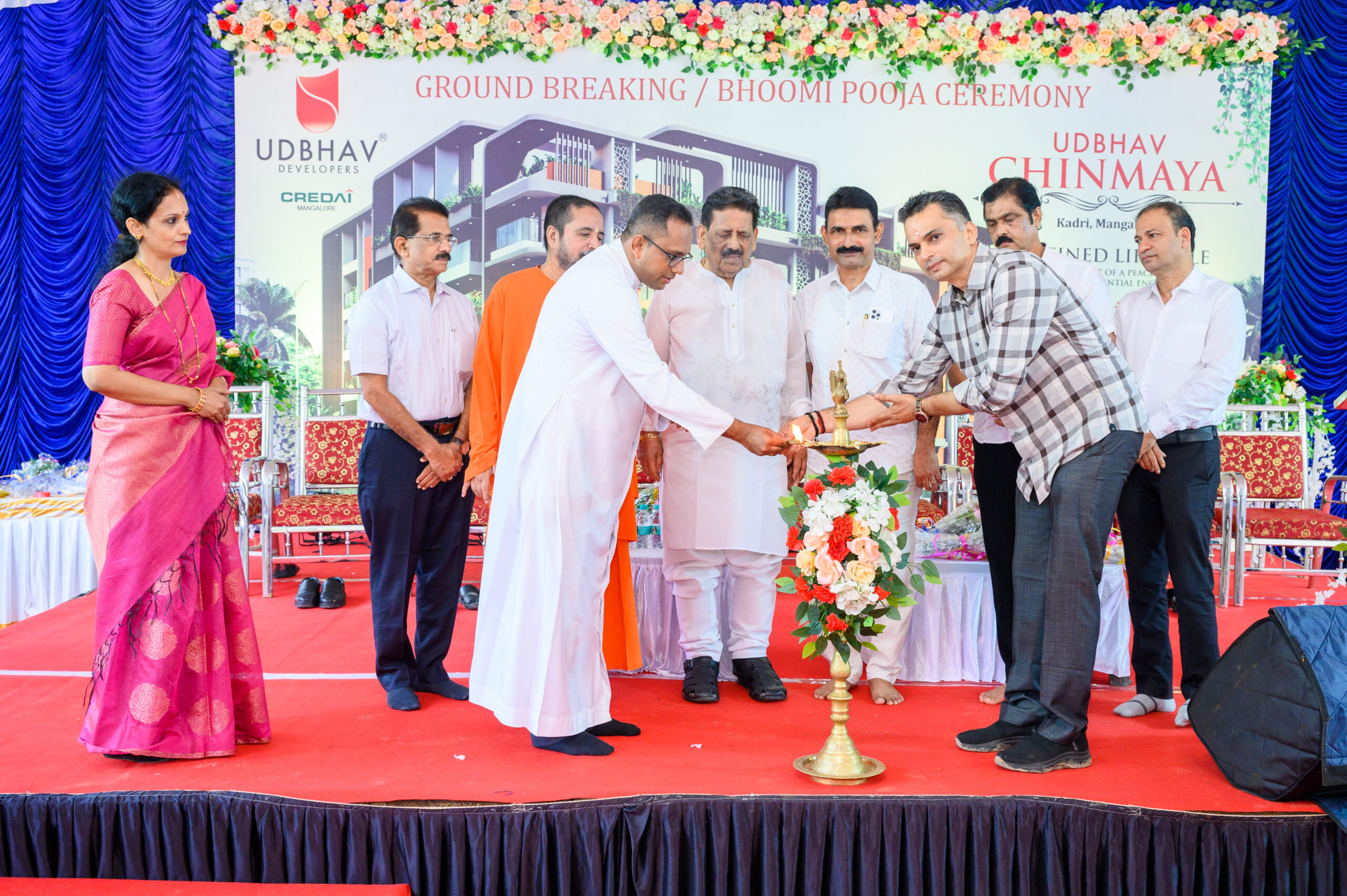
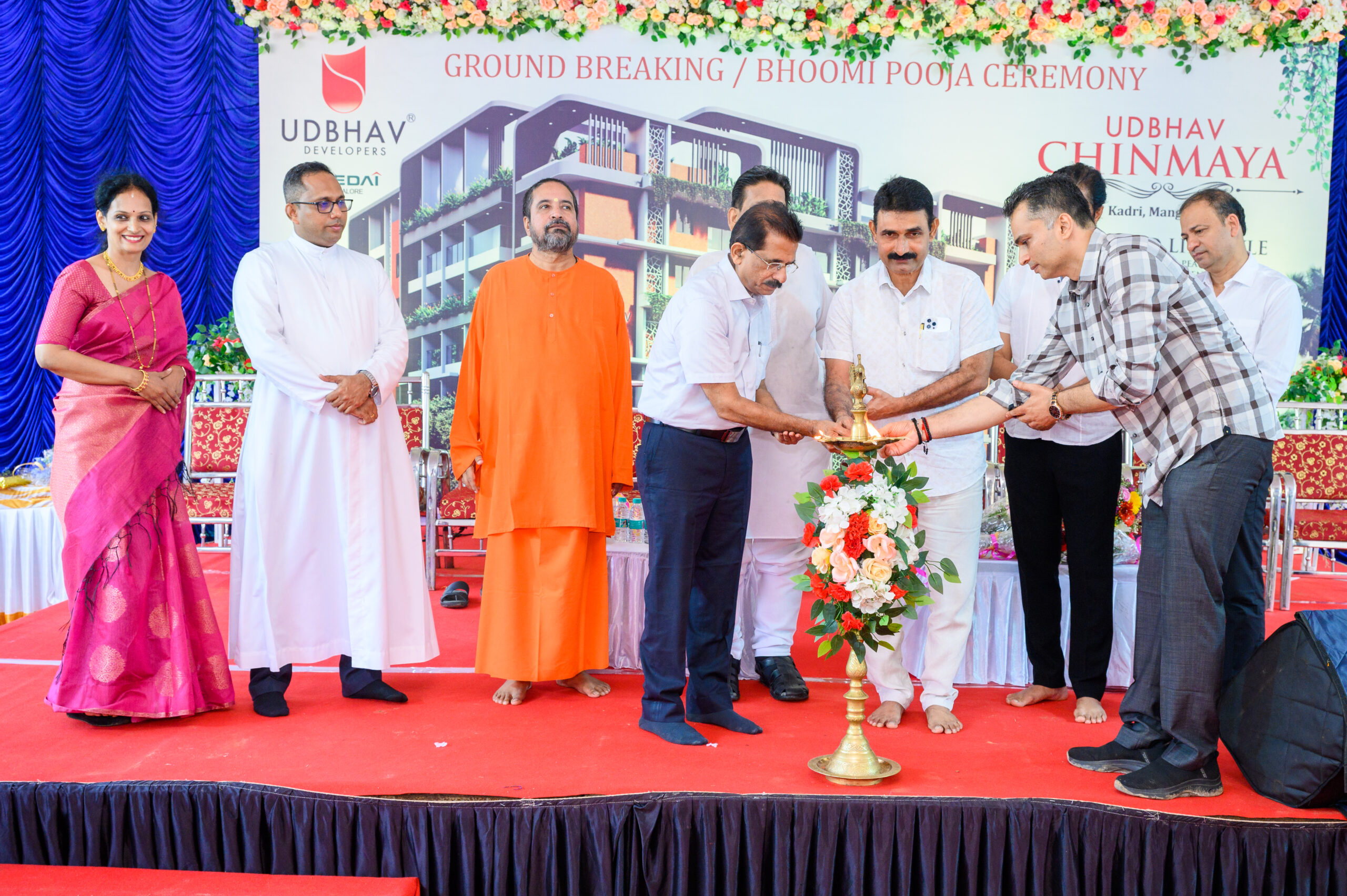
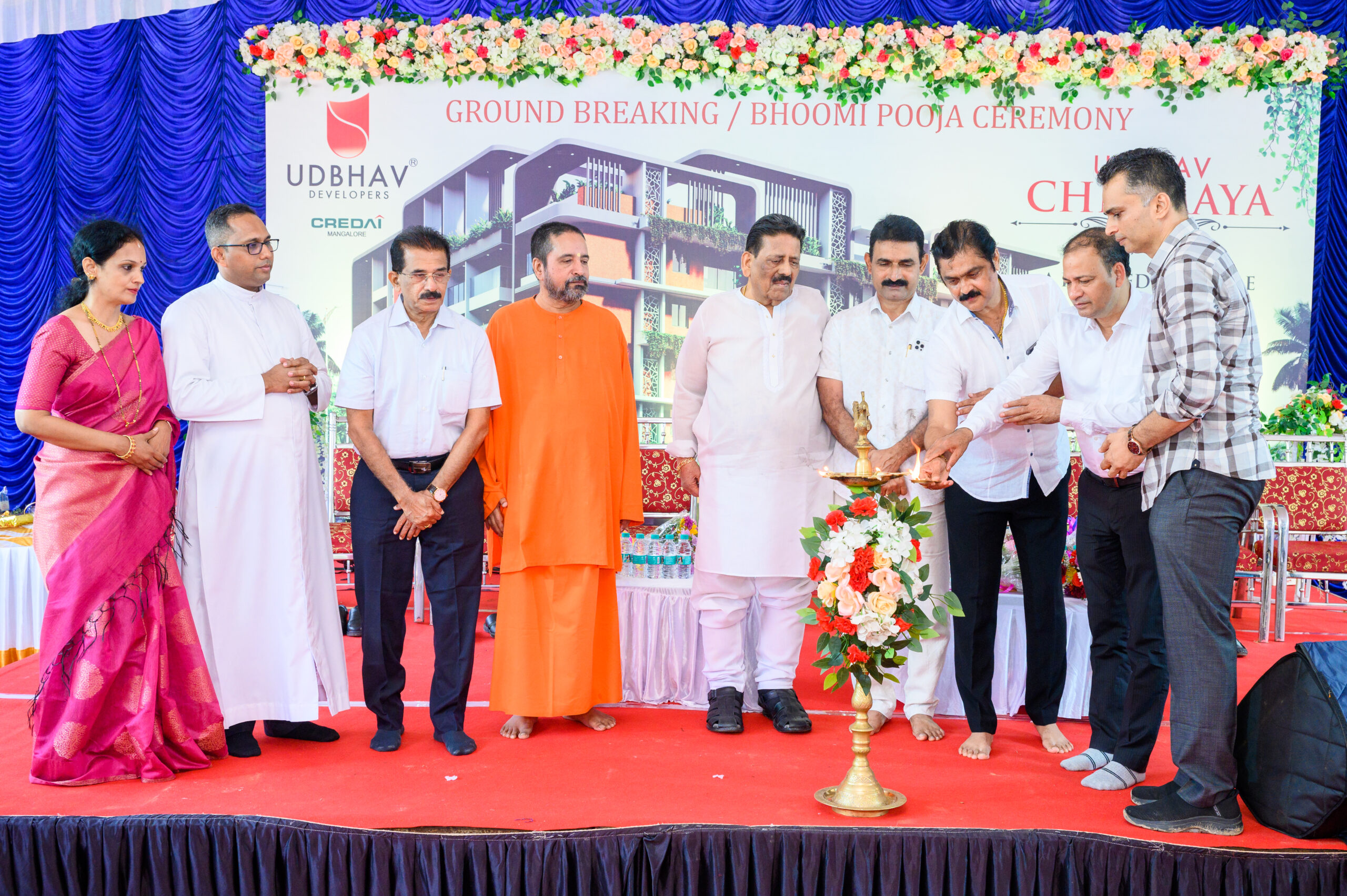
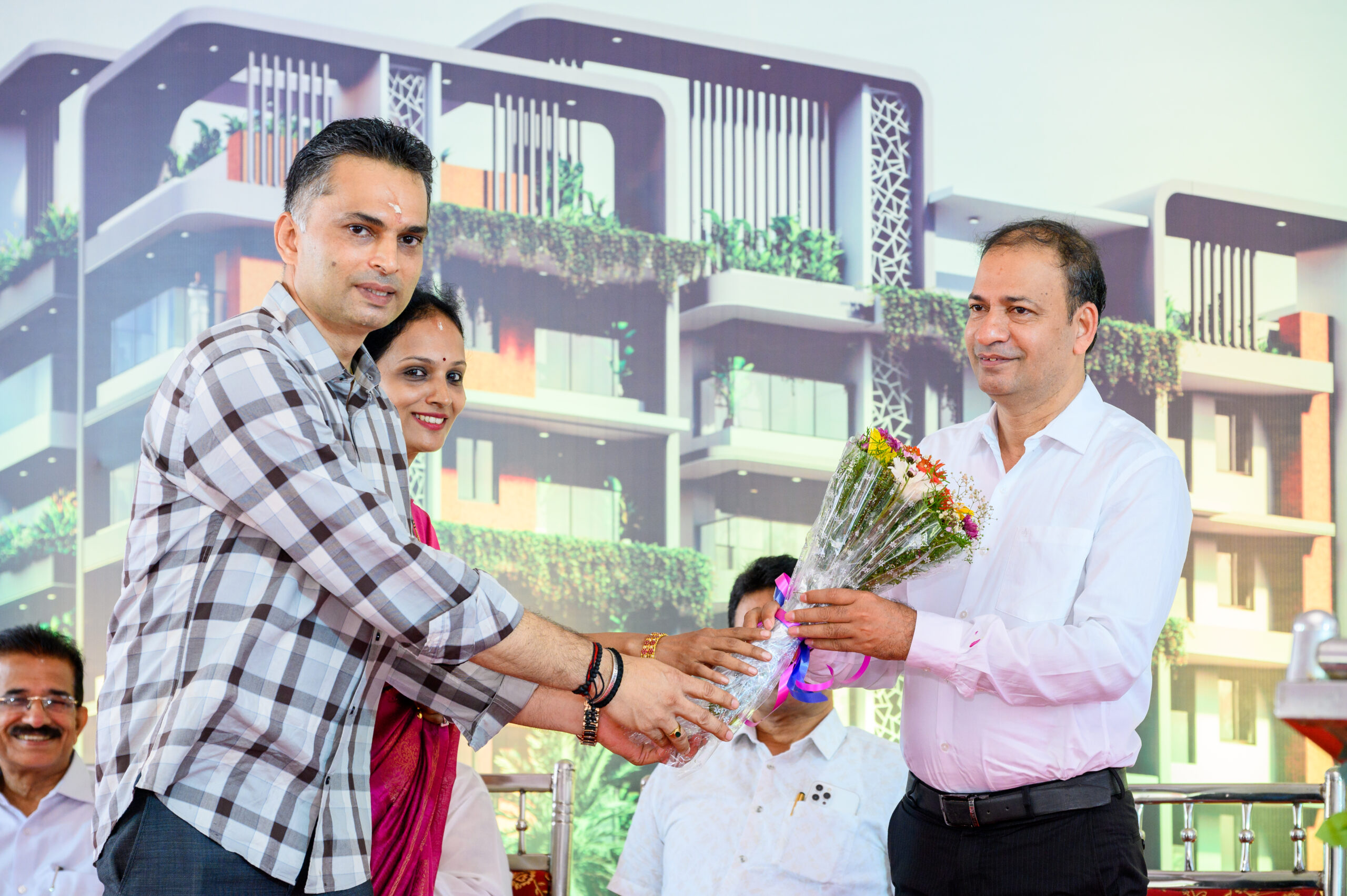
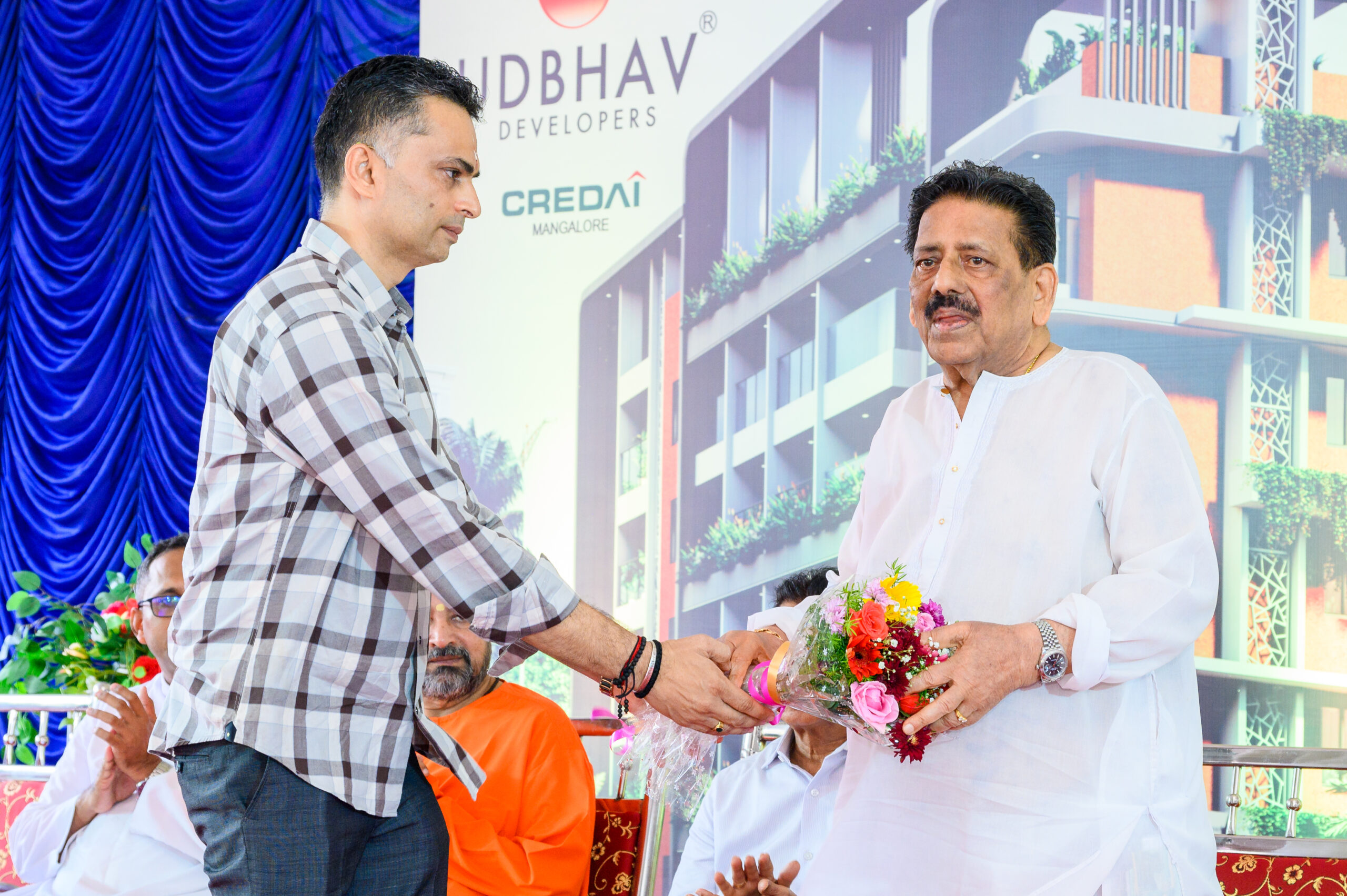
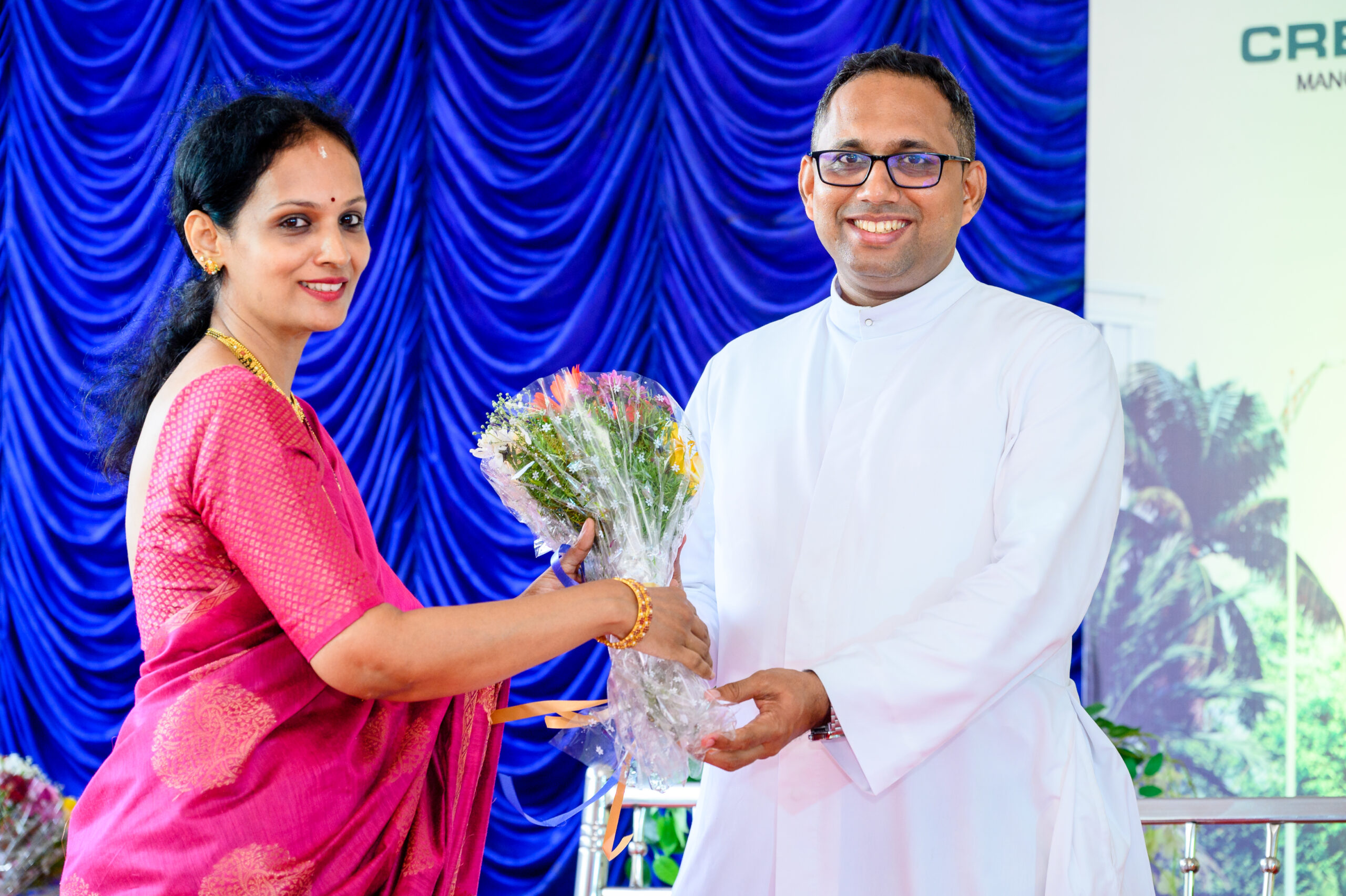
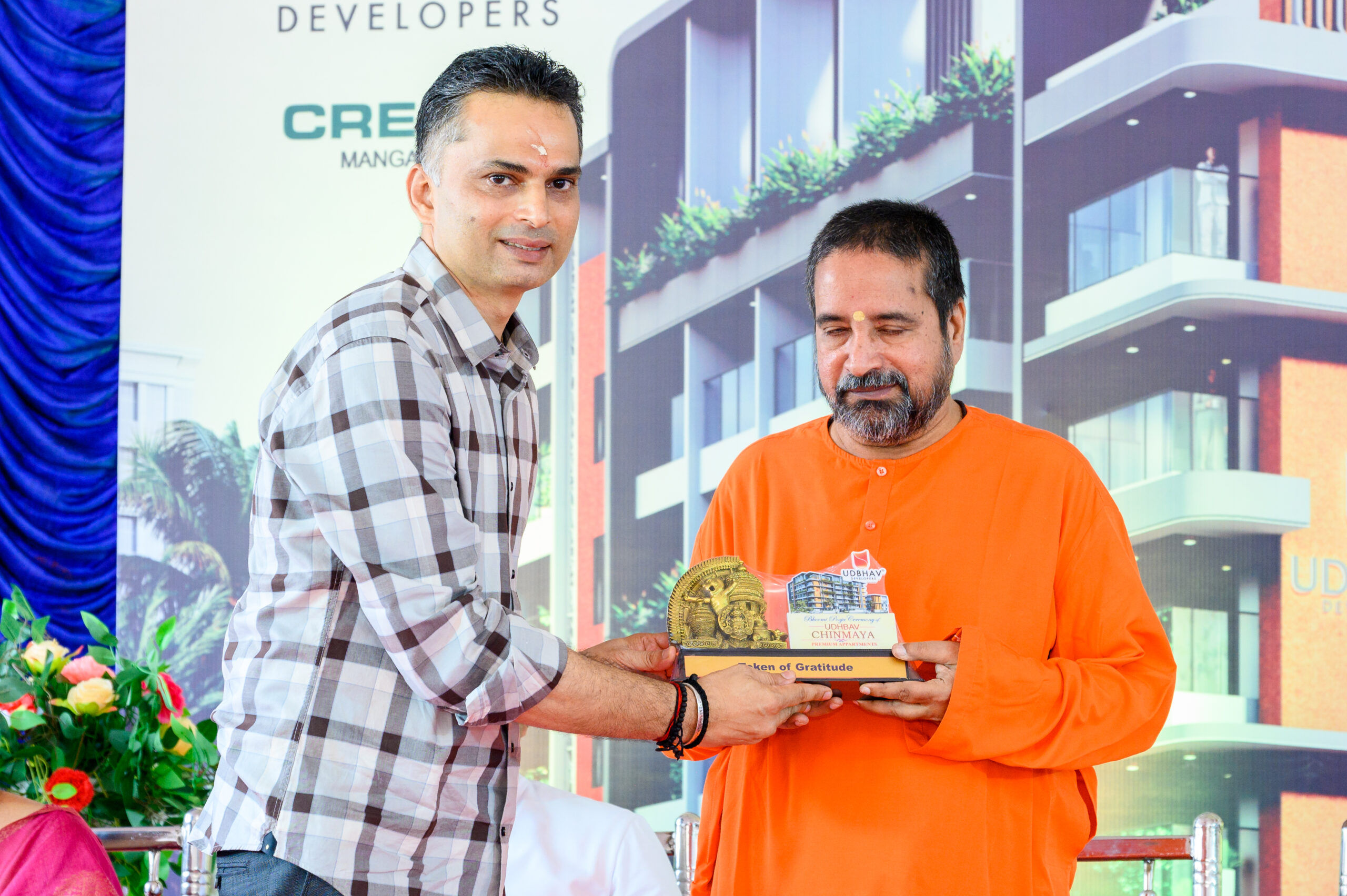
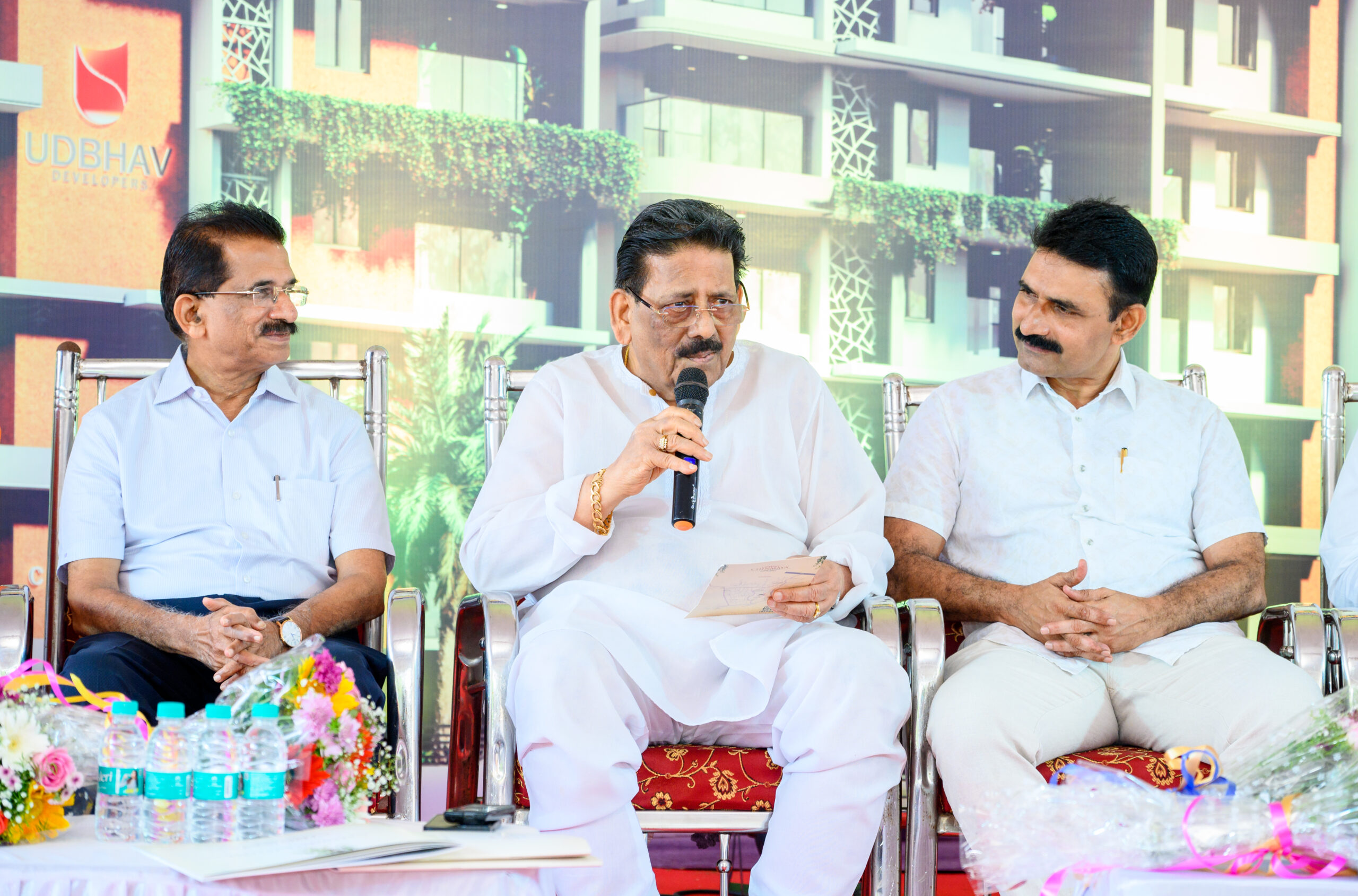
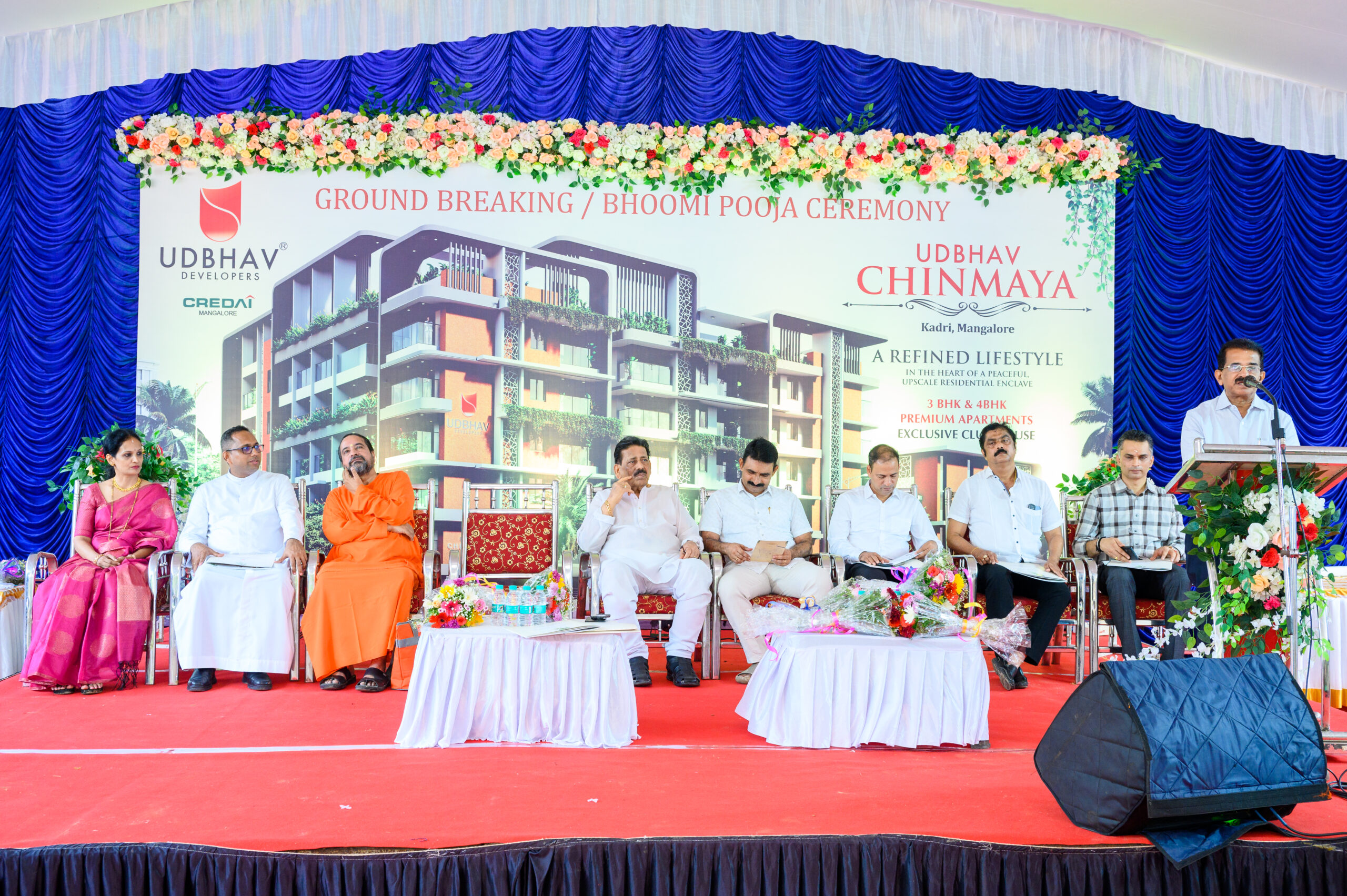
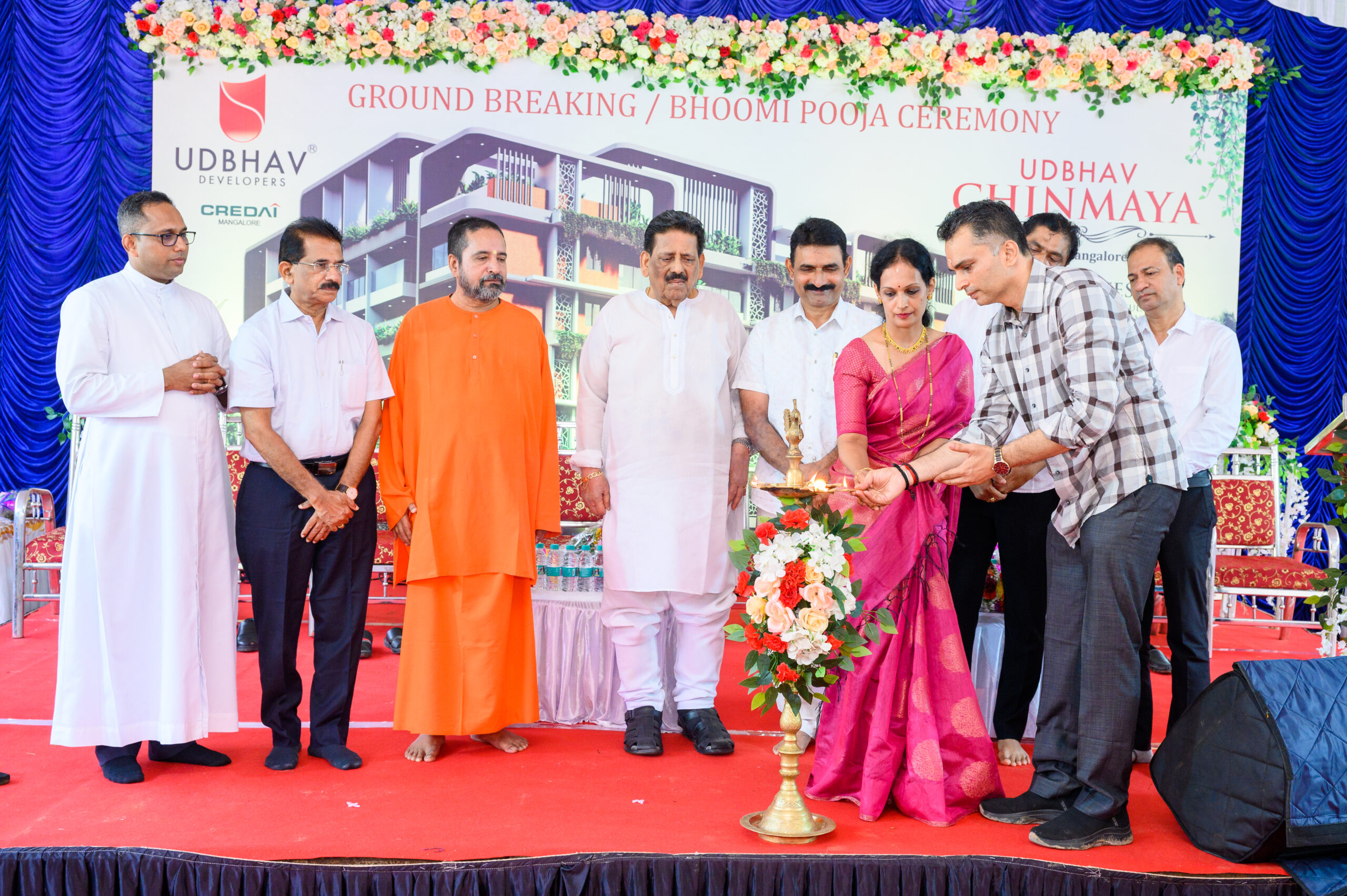
Pre-construction prep includes site surveys, soil testing, and boundary demarcation. The Bhoomi Pooja ceremony in October 2025 marked the official start — a cultural ritual common in India to seek blessings for smooth progress. Images from the event show the team, local dignitaries, and a priest performing the lamp-lighting ritual, symbolizing positive energy for the project.
Stage 3: Foundation & Structural Work
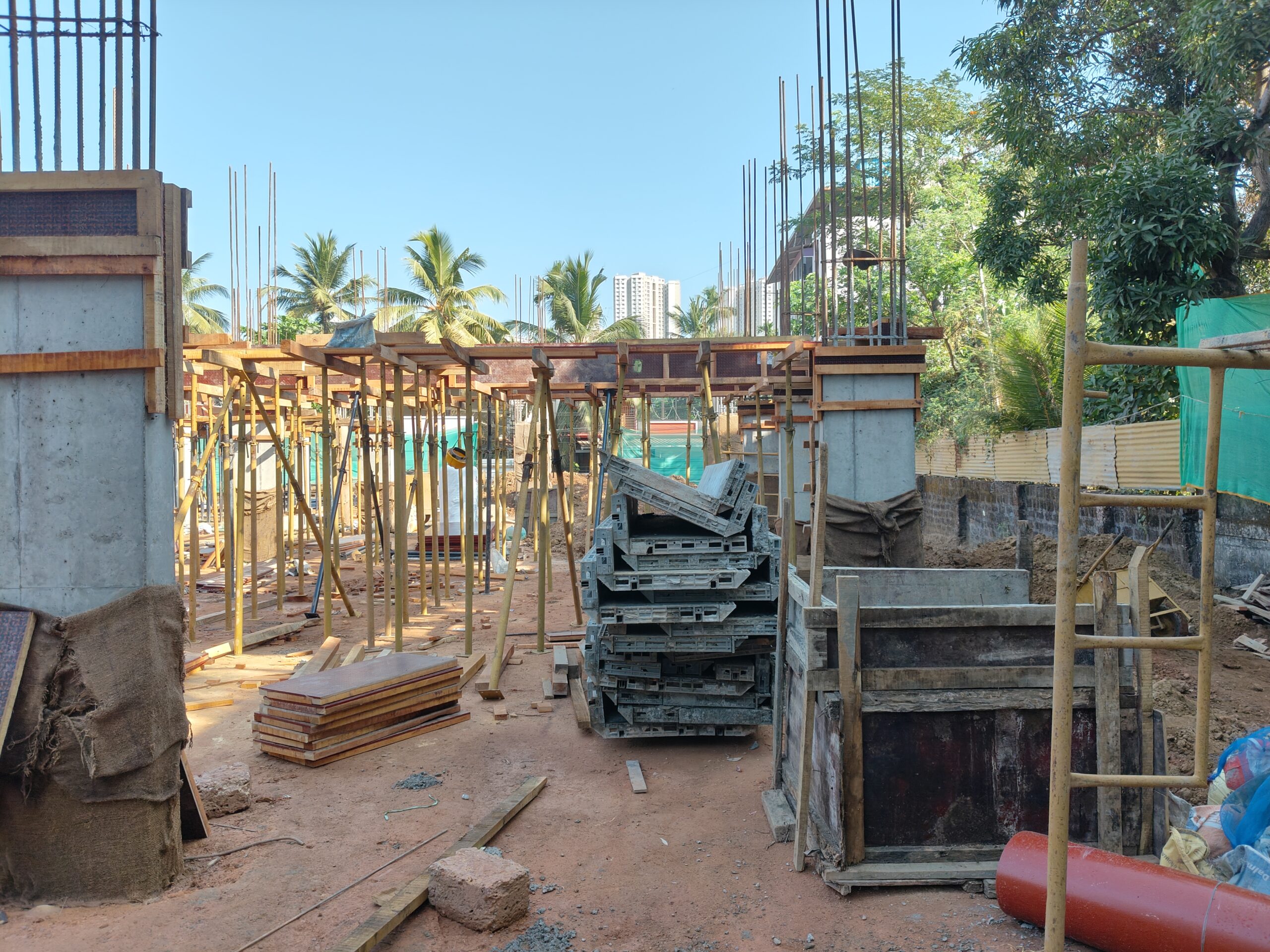
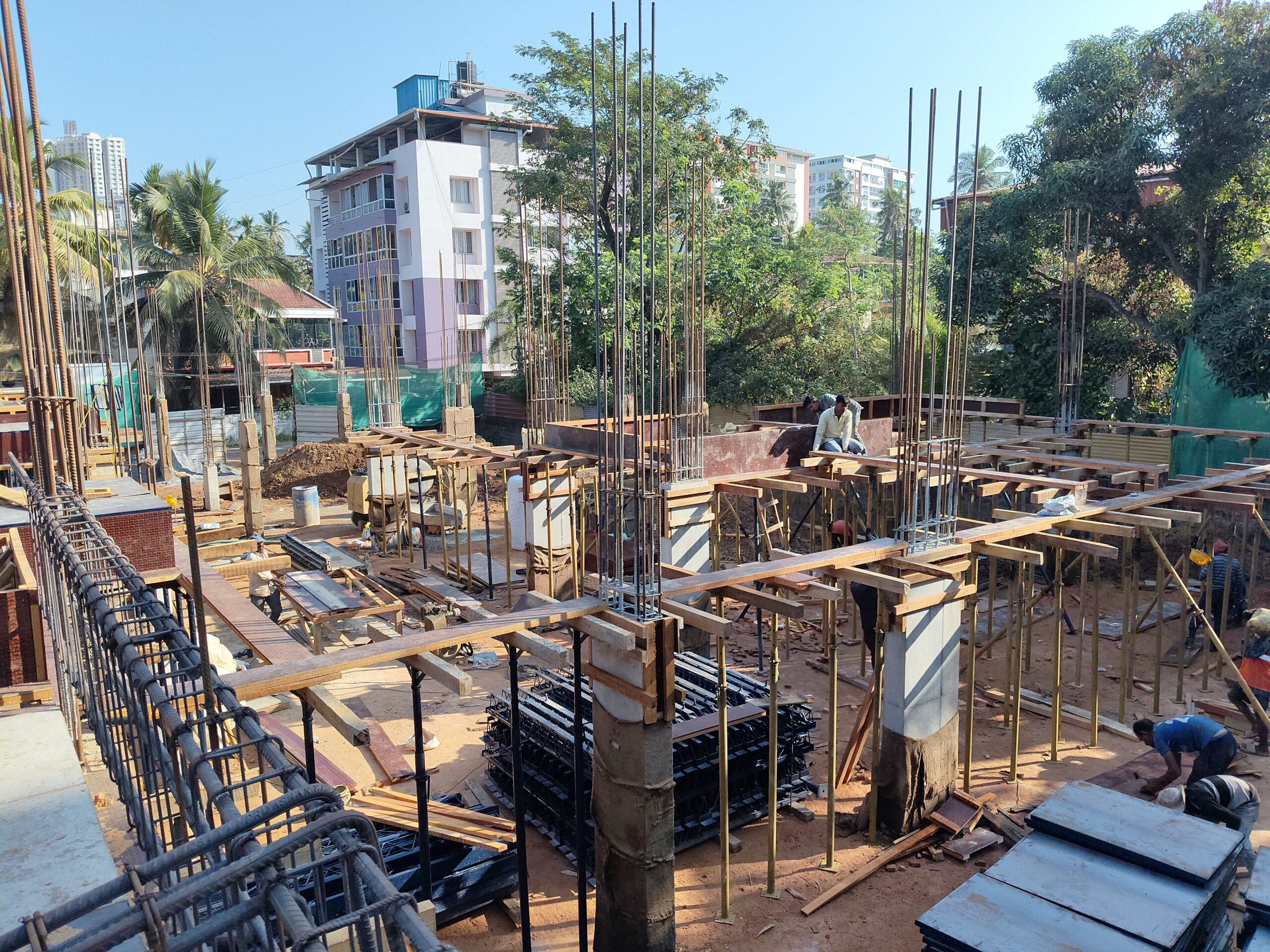
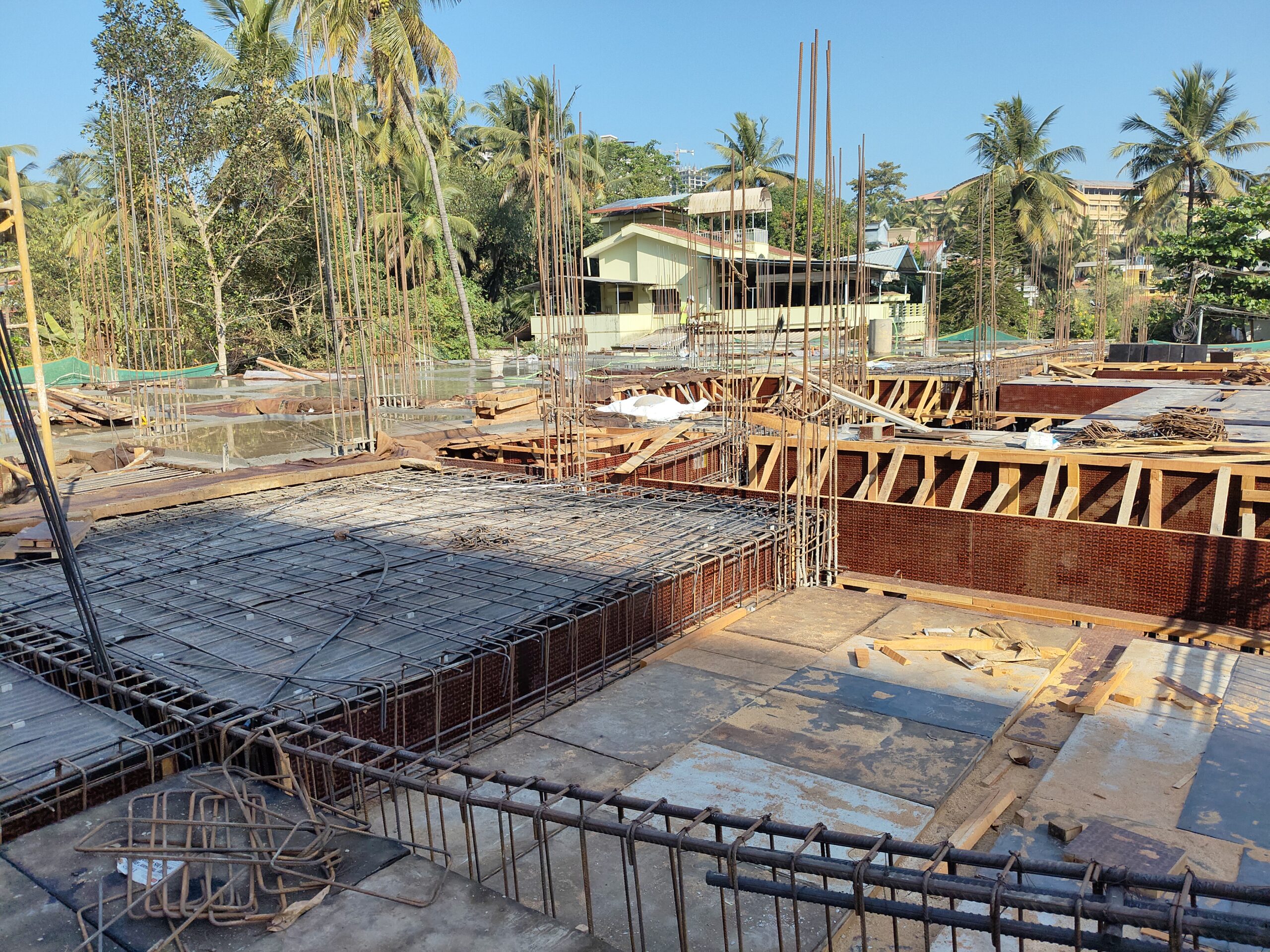
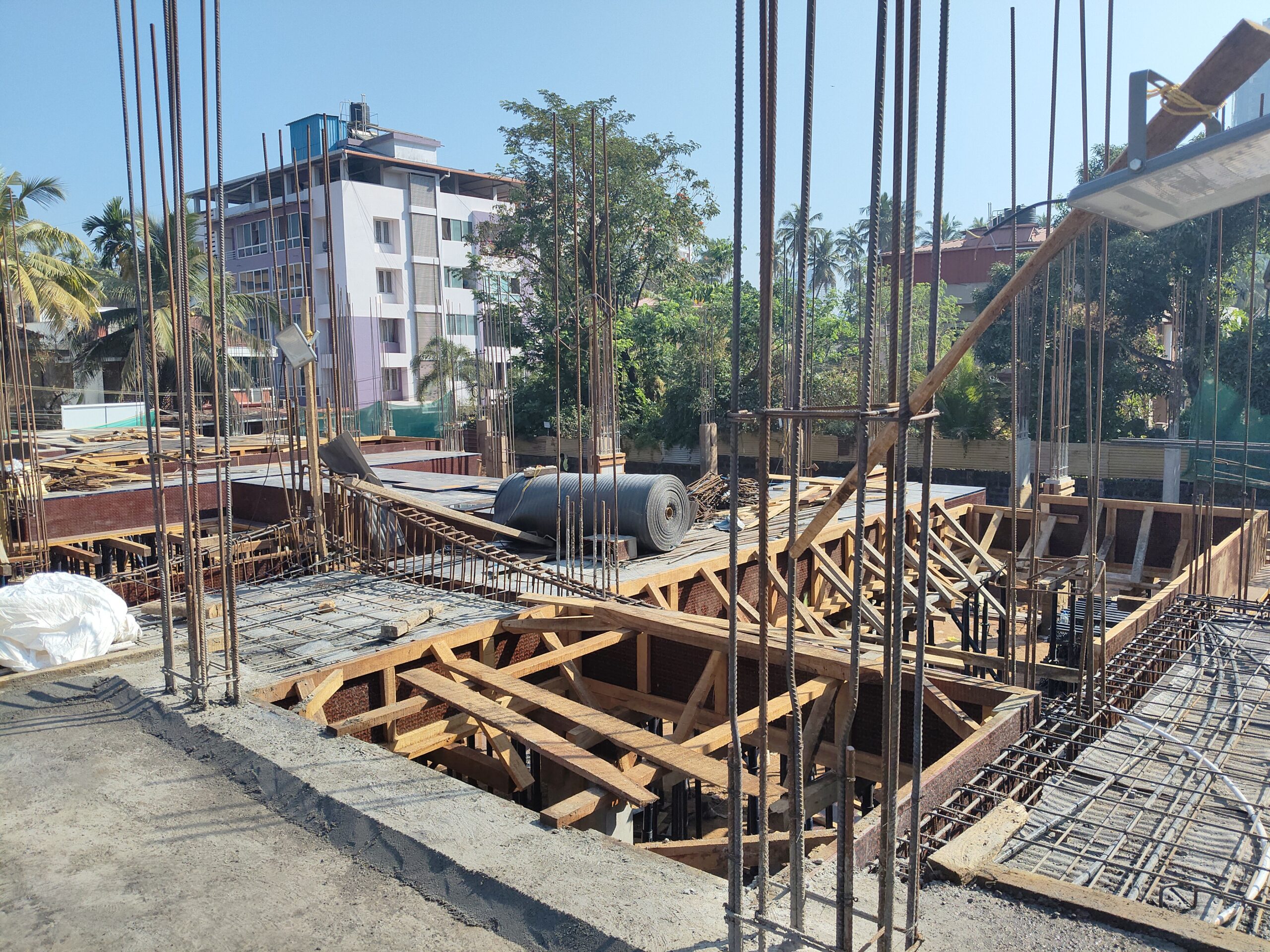
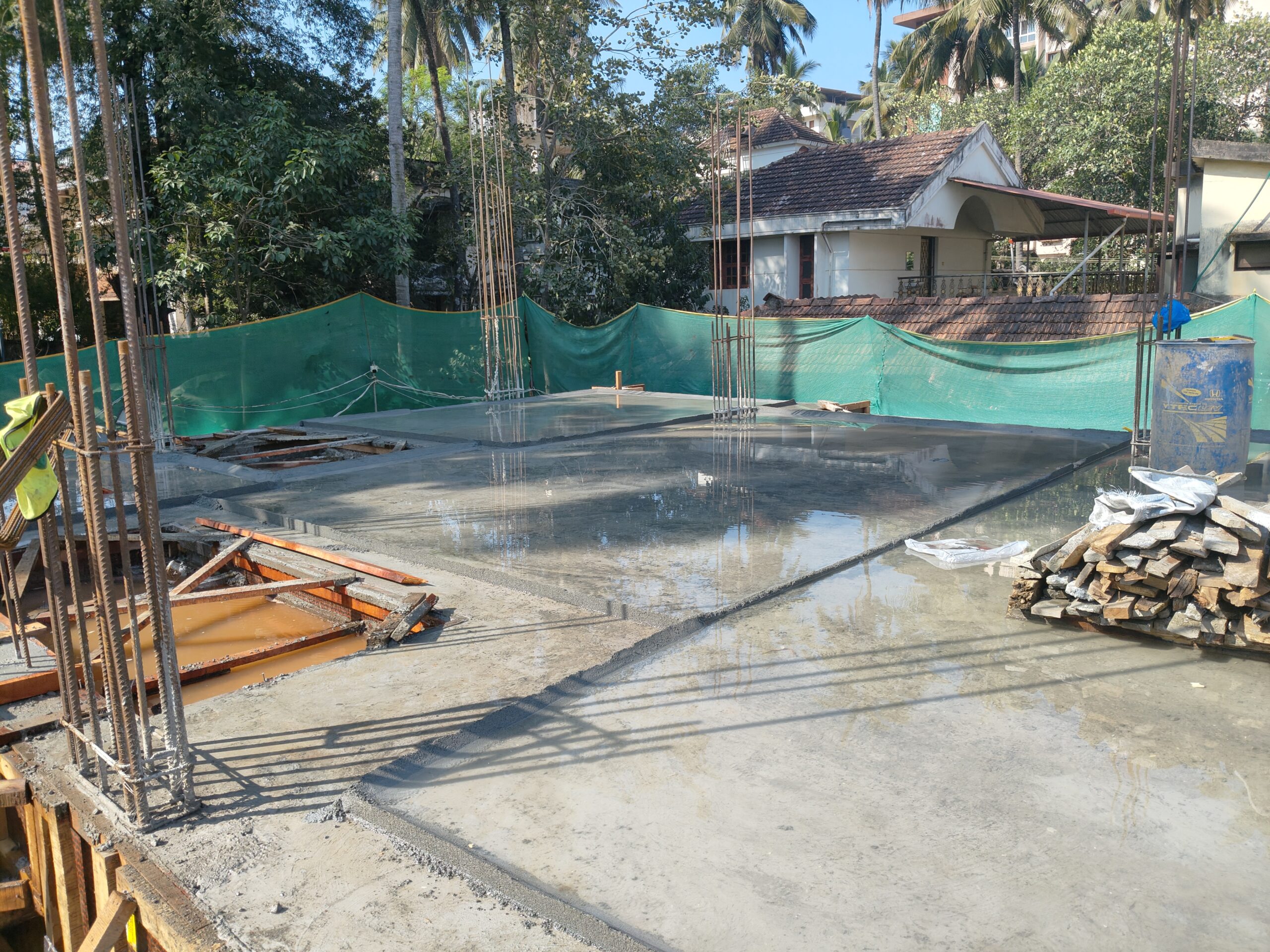
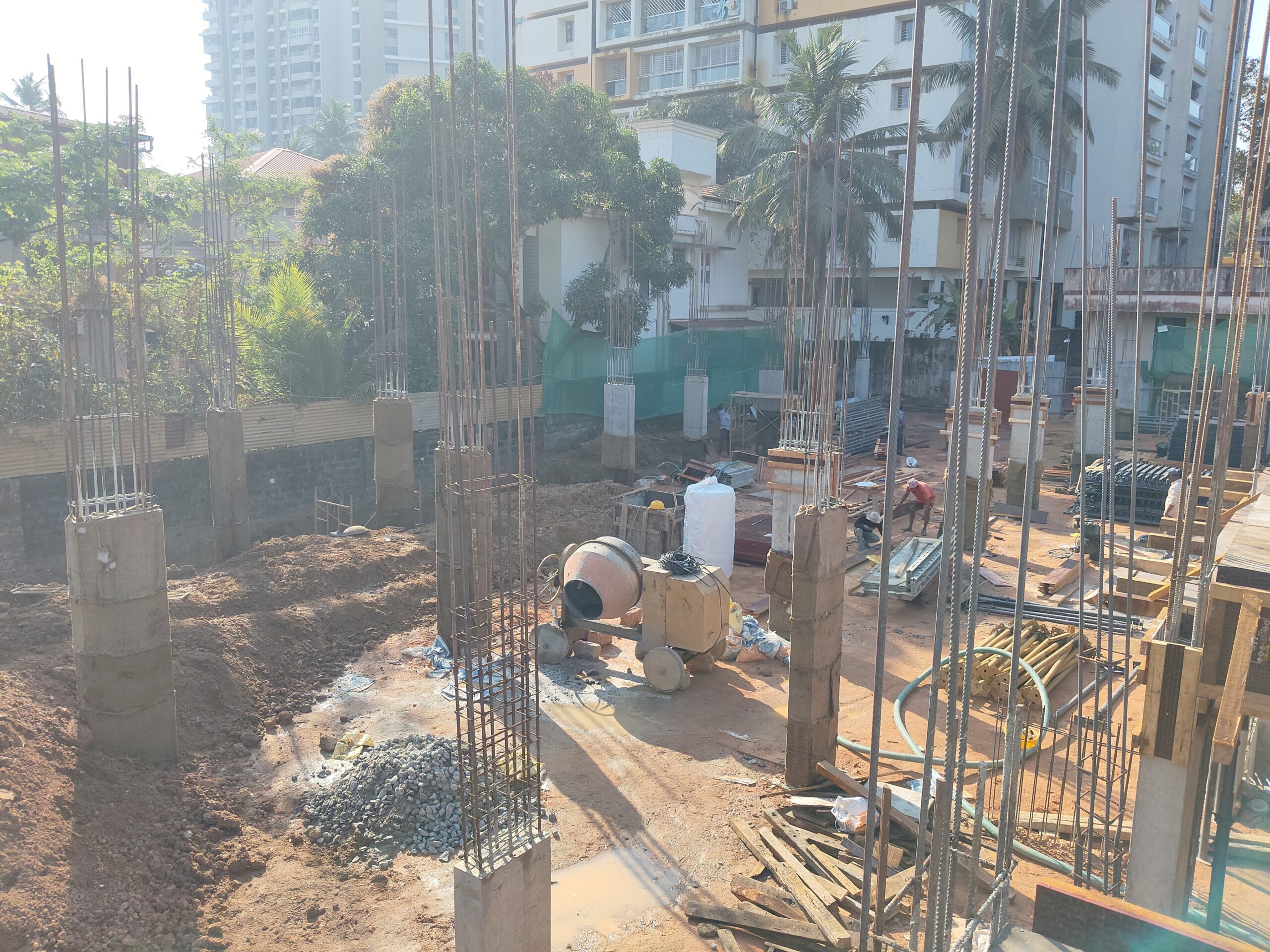
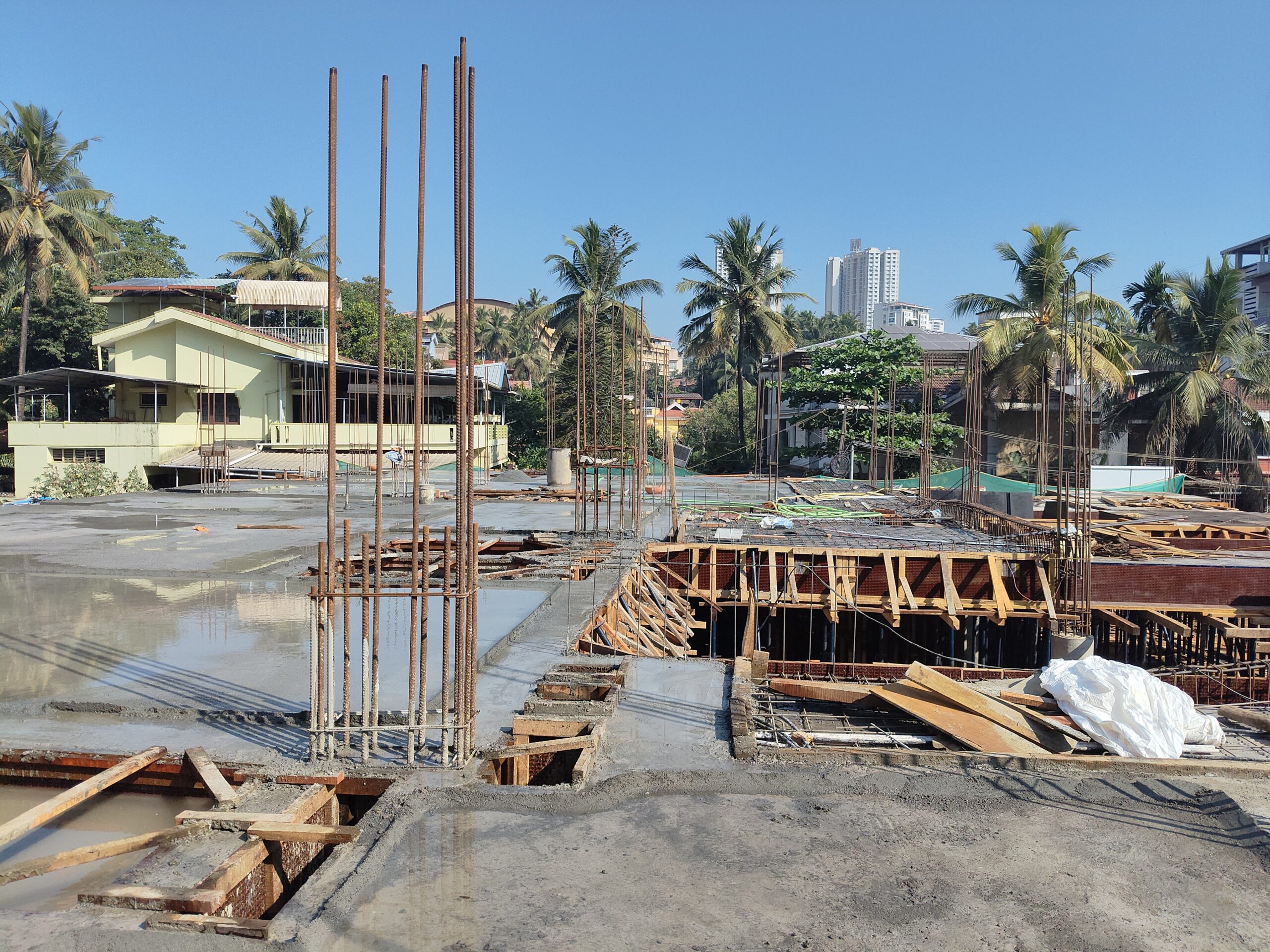
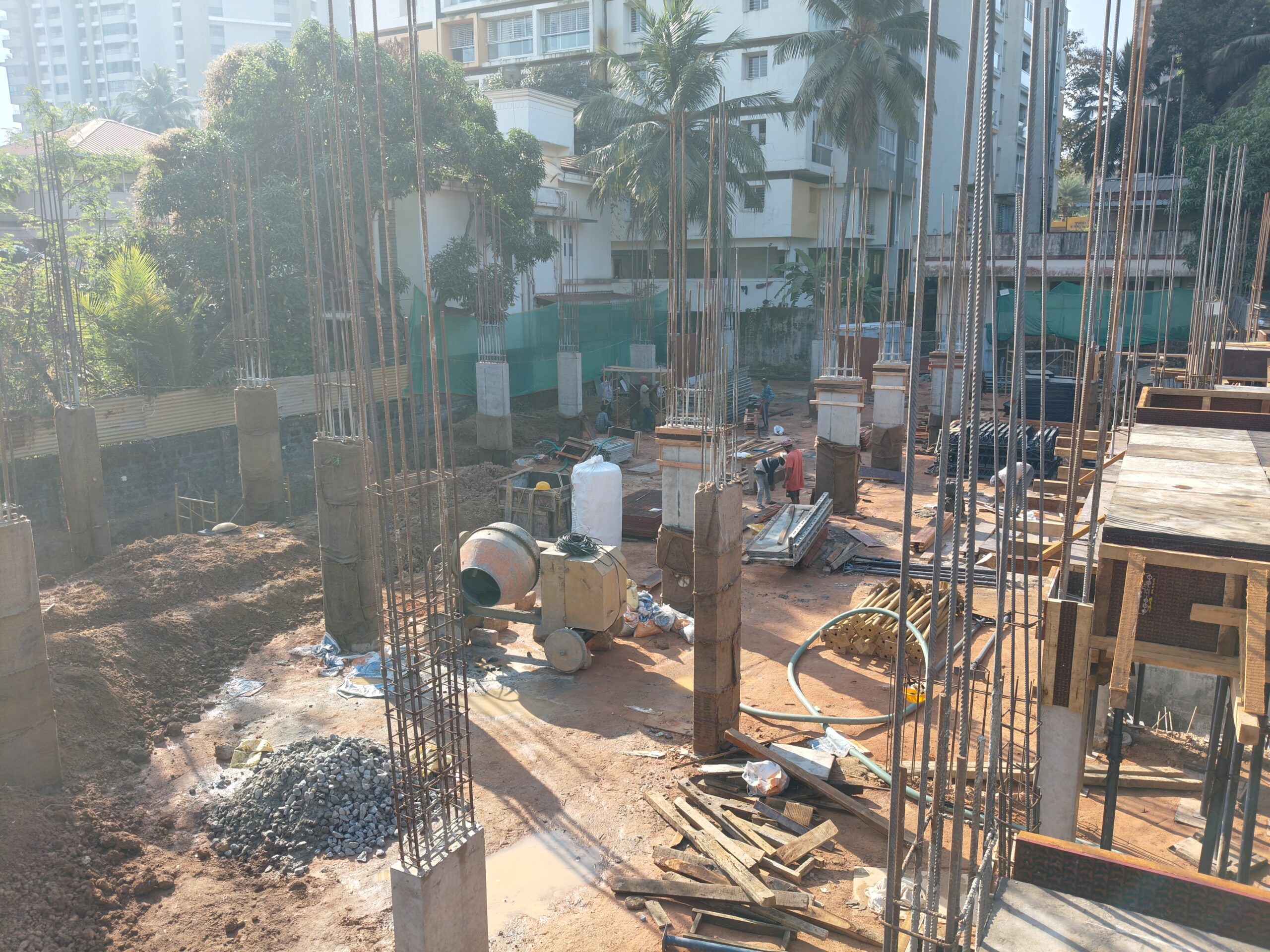
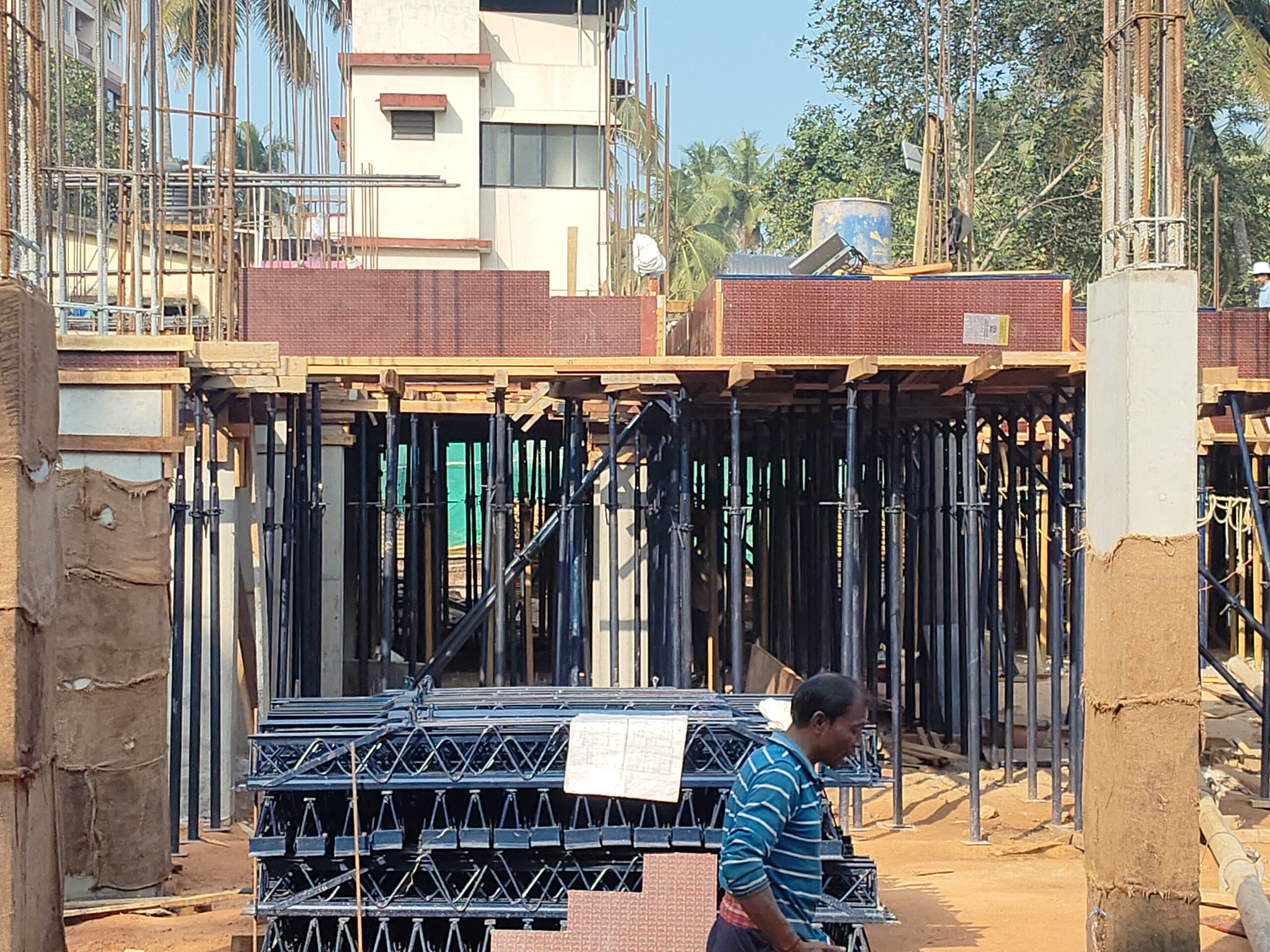
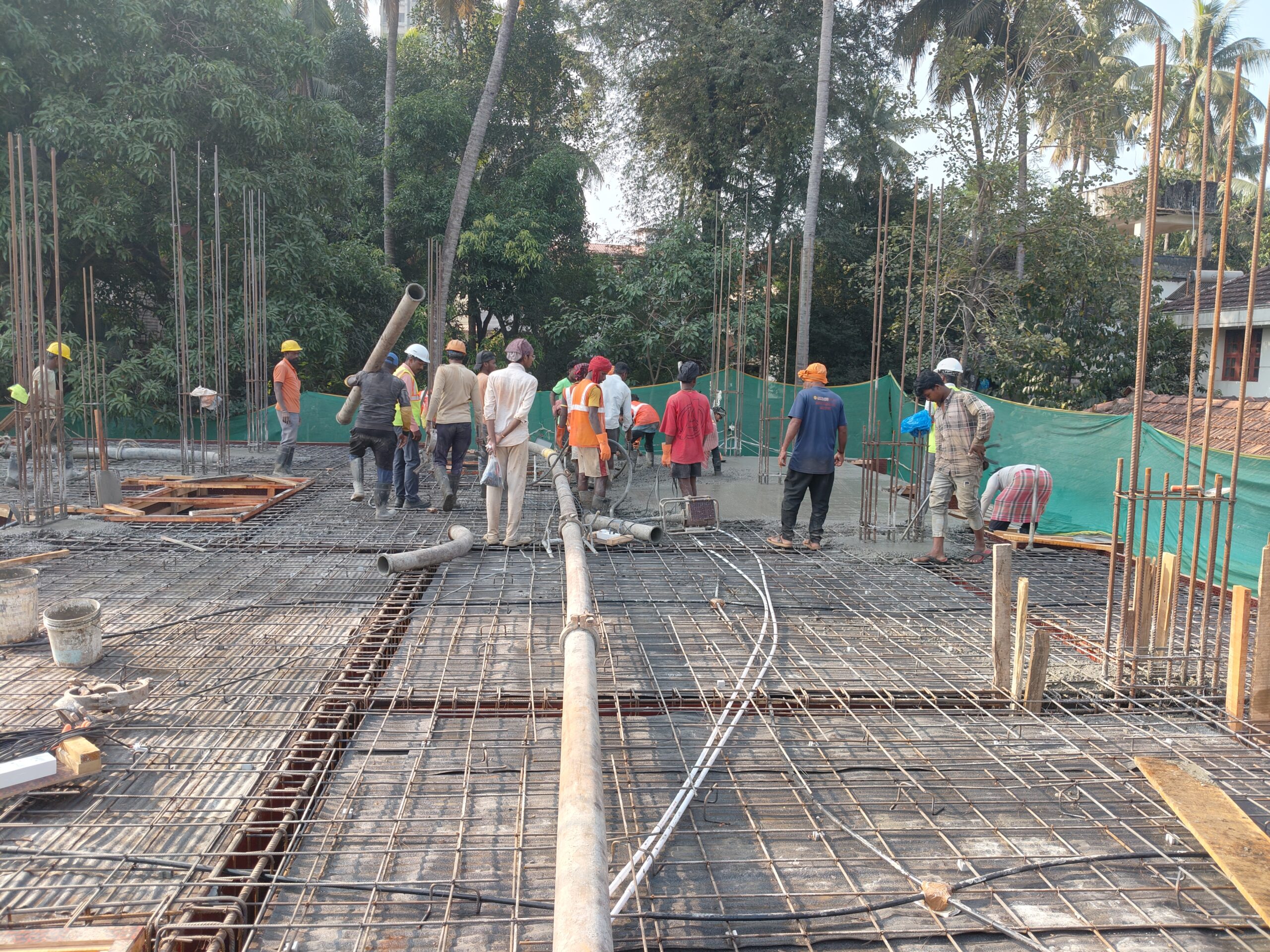
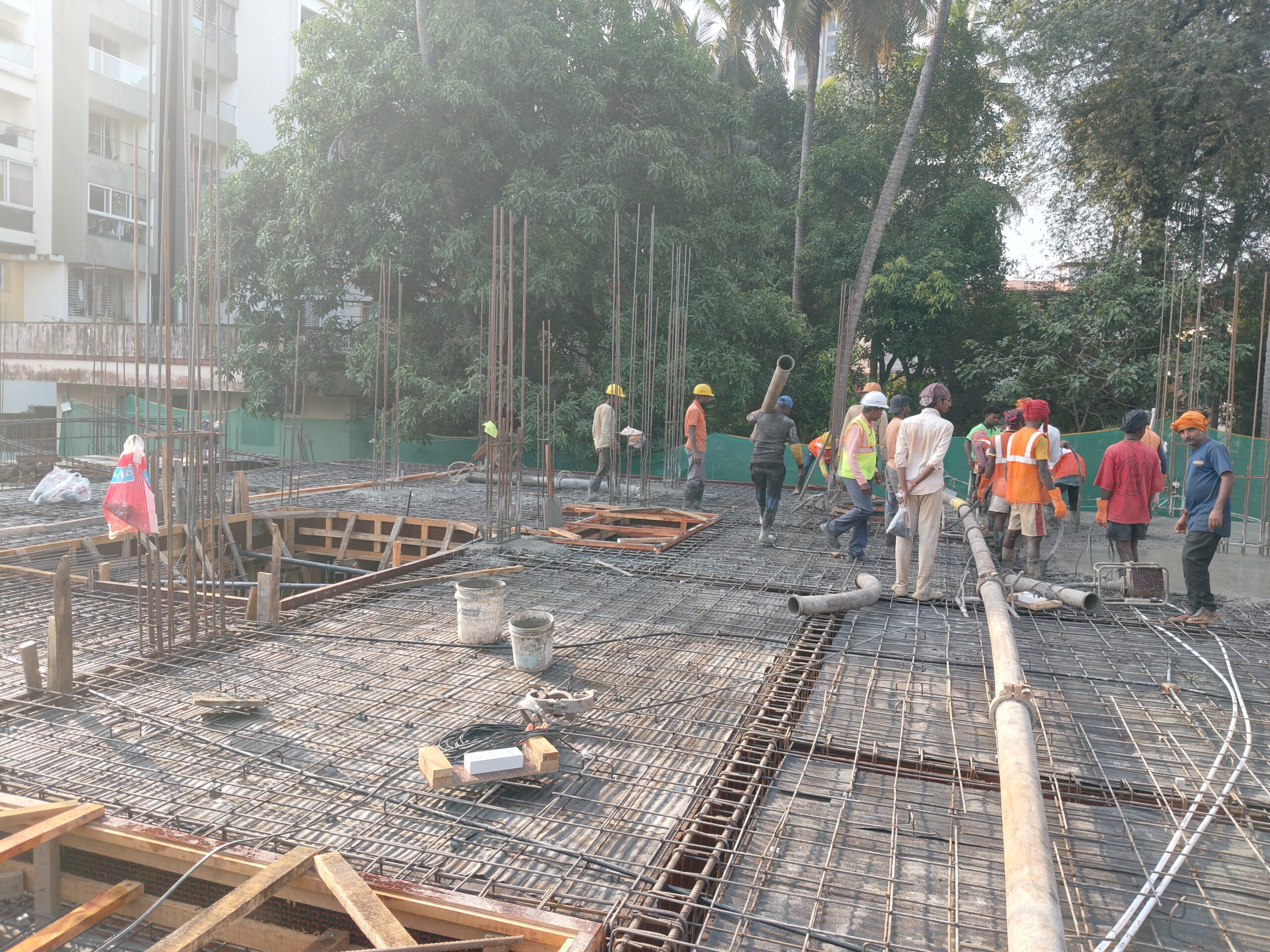
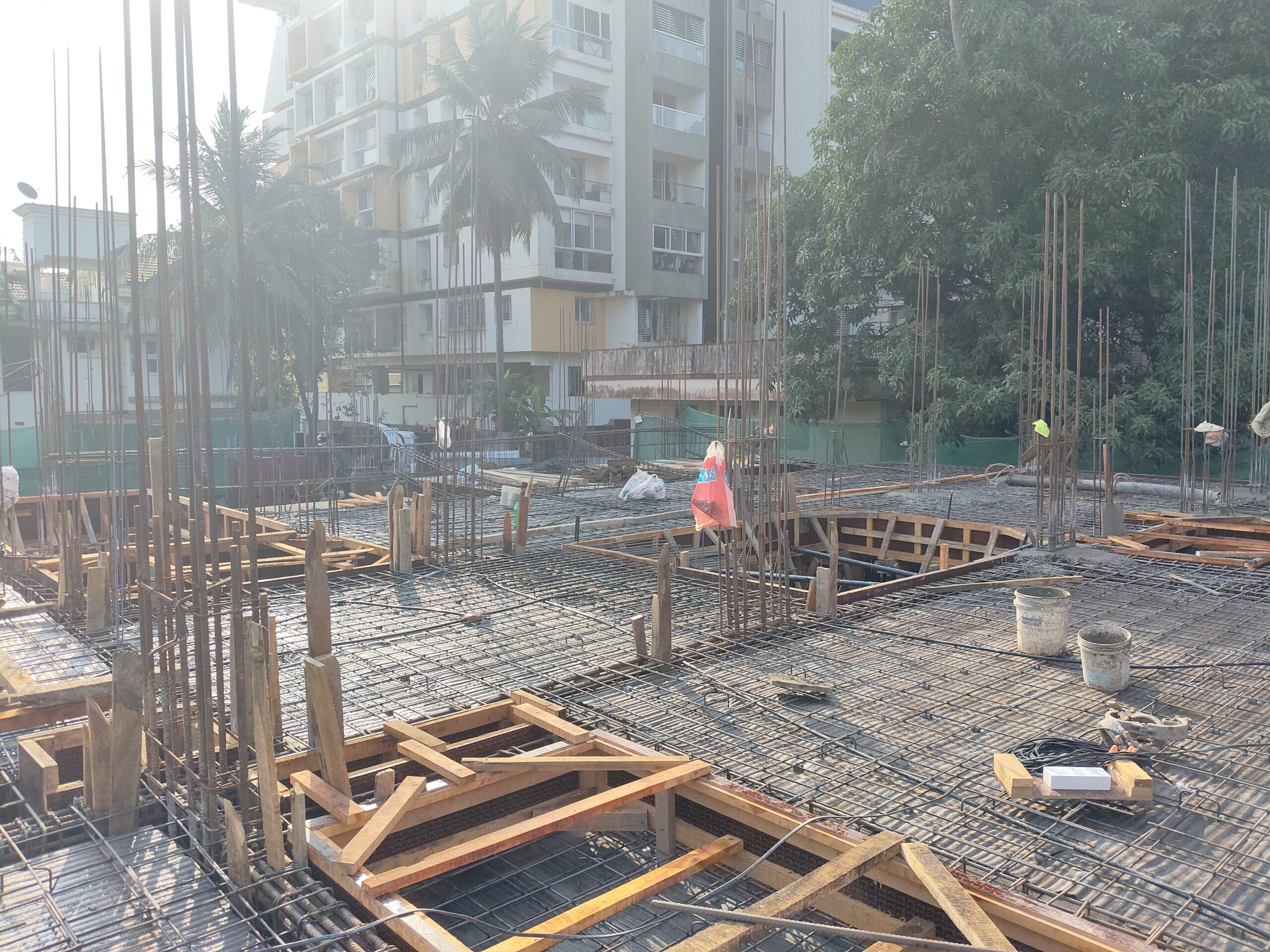
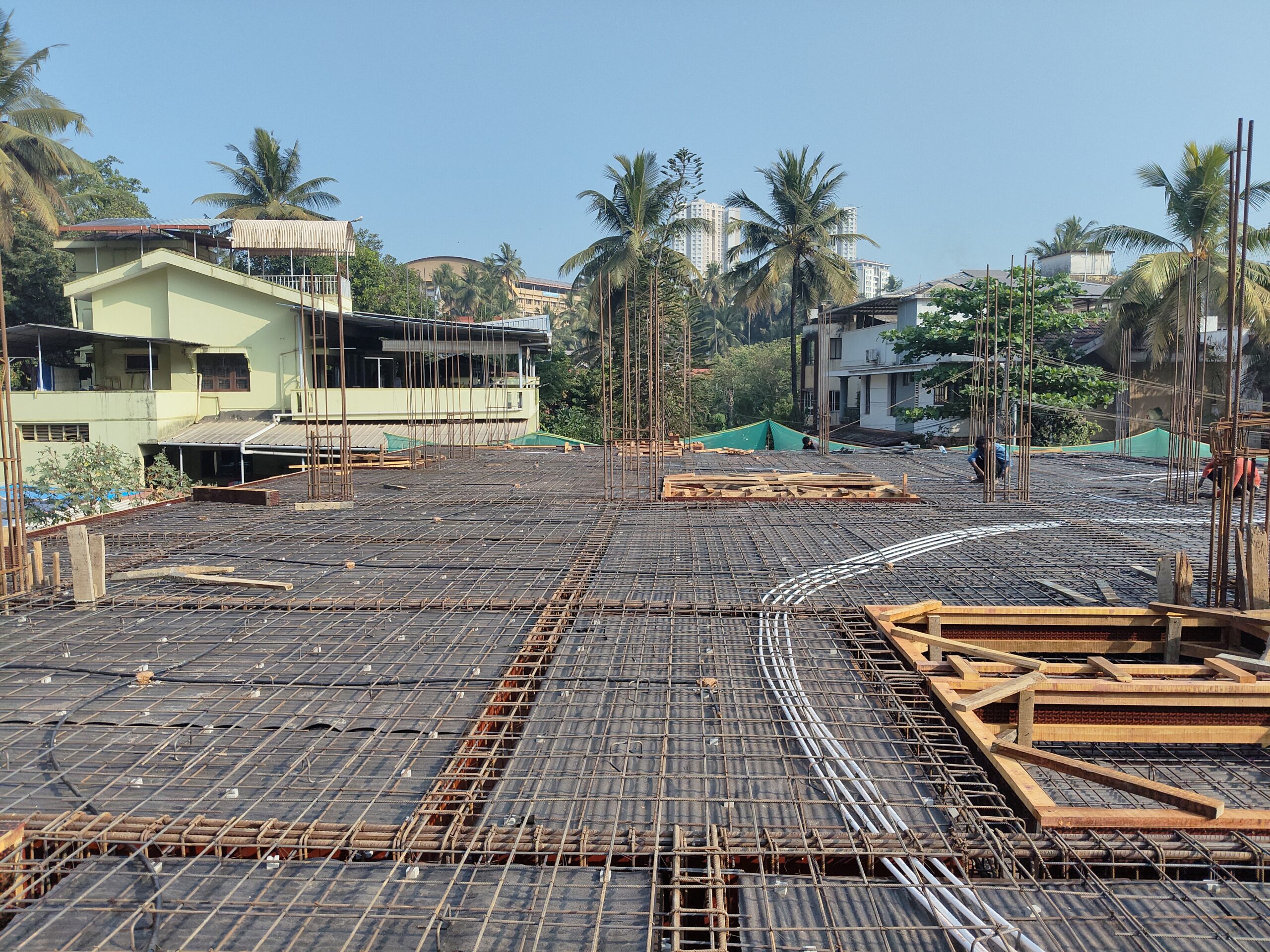
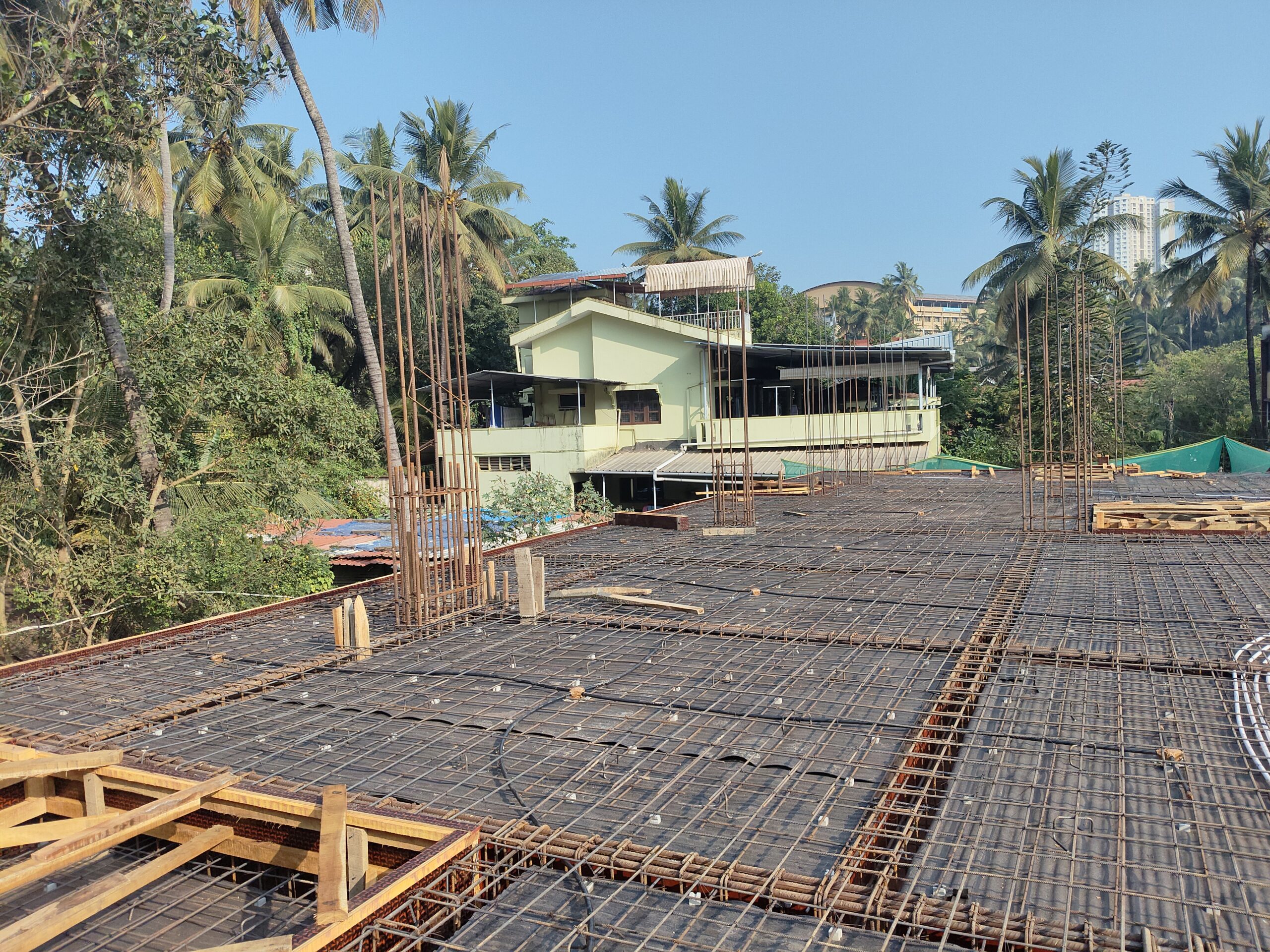
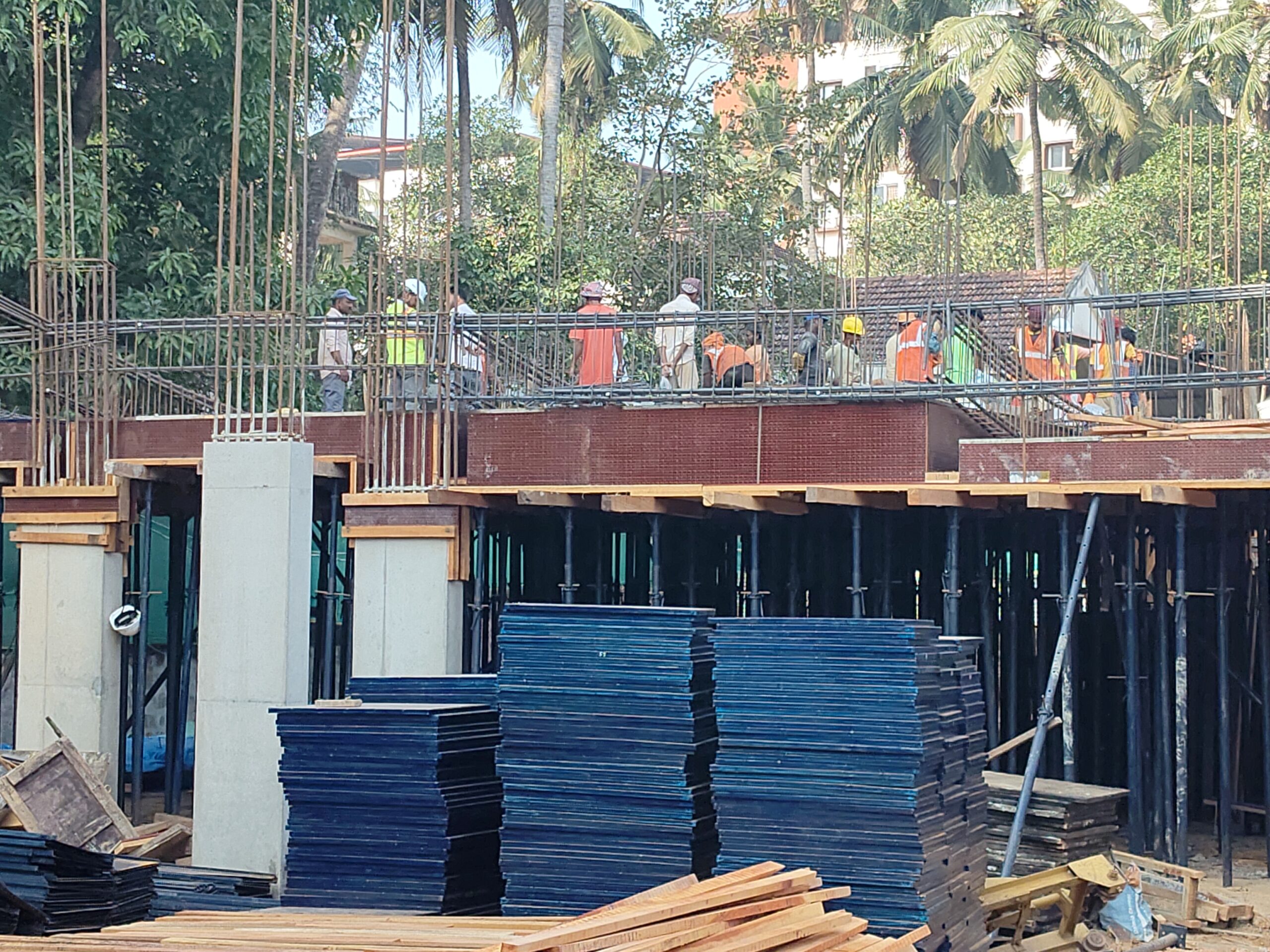
This is the visible “build” phase, where the site comes alive with excavation, foundation laying, and structural framing. It typically accounts for 30–40% of total timeline and cost.
At Udbhav Chinmaya, foundation work began post-approvals. Site photos show workers pouring concrete for pillars, with rebar reinforcements rising from the ground. A drone shot reveals the initial framework taking shape, with columns spaced for the Ground + 5 floors. Safety measures like barricades, helmets, and on-site supervision are evident, along with materials like cement, steel bars, and scaffolding stacked neatly.
Structural elements include plinth beams (to distribute load) and slab casting for the ground floor. In Mangaluru’s lateritic soil and monsoon-prone climate, builders reinforce foundations with anti-seepage treatments and proper drainage planning to avoid future issues. Chinmaya’s progress is on track, with the team updating buyers via photos and RERA portal reports.
Stage 4: Upcoming Phases – Brickwork, MEP, and Finishing
After structure, the project moves to internal and external finishing, typically 40–50% of the process.
For Udbhav Chinmaya, upcoming stages include brickwork (walls and partitions), plastering (interior/exterior surfaces), flooring (vitrified tiles or granite), and MEP (mechanical, electrical, plumbing) installations — wiring, pipes, switches, and fixtures from premium brands. Windows, doors, and balconies will follow, with focus on natural light and ventilation to suit Mangaluru’s humidity.
This phase also integrates amenities: installing gym equipment, yoga room setups, play area surfaces, and terrace landscaping. Quality checks at every sub-stage ensure compliance with RERA standards. Buyers can expect regular updates, like drone videos showing slab completion and wall progress.
Stage 5: Completion & Handover
The final 10–20% involves inspections, approvals, and handover.
For Chinmaya (targeted December 2027), this includes obtaining Occupancy Certificate (OC) from MCC, confirming all amenities are functional, and addressing snag lists. 3D renders show the completed vision: a modern 5-story building with elegant elevation, green balconies, secure lobby, and rooftop terrace.
Handover involves key distribution, society formation, and 5-year defect liability under RERA. Buyers receive full documentation, including title deeds and tax receipts.
Conclusion: The Process Builds Trust and Value
Understanding the real estate development process empowers buyers to track progress, hold builders accountable, and avoid risks. From concept to completion, Udbhav Chinmaya demonstrates transparency: RERA compliance, timely milestones, and regular updates with site photos and drone views.
For more on Chinmaya’s Kadri appeal, see Kadri’s investment potential; on its limited-unit advantages; and on its peaceful yet connected design.
Ready to see Chinmaya’s progress firsthand? Enquire today for site visit, RERA details, floor plans, pricing (starting ₹1.48 Crore*), and a 360° virtual tour. Book with just ₹1 Lakh.
Contact the team now — own a home built with trust from start to finish.
project gallery